
Machine route
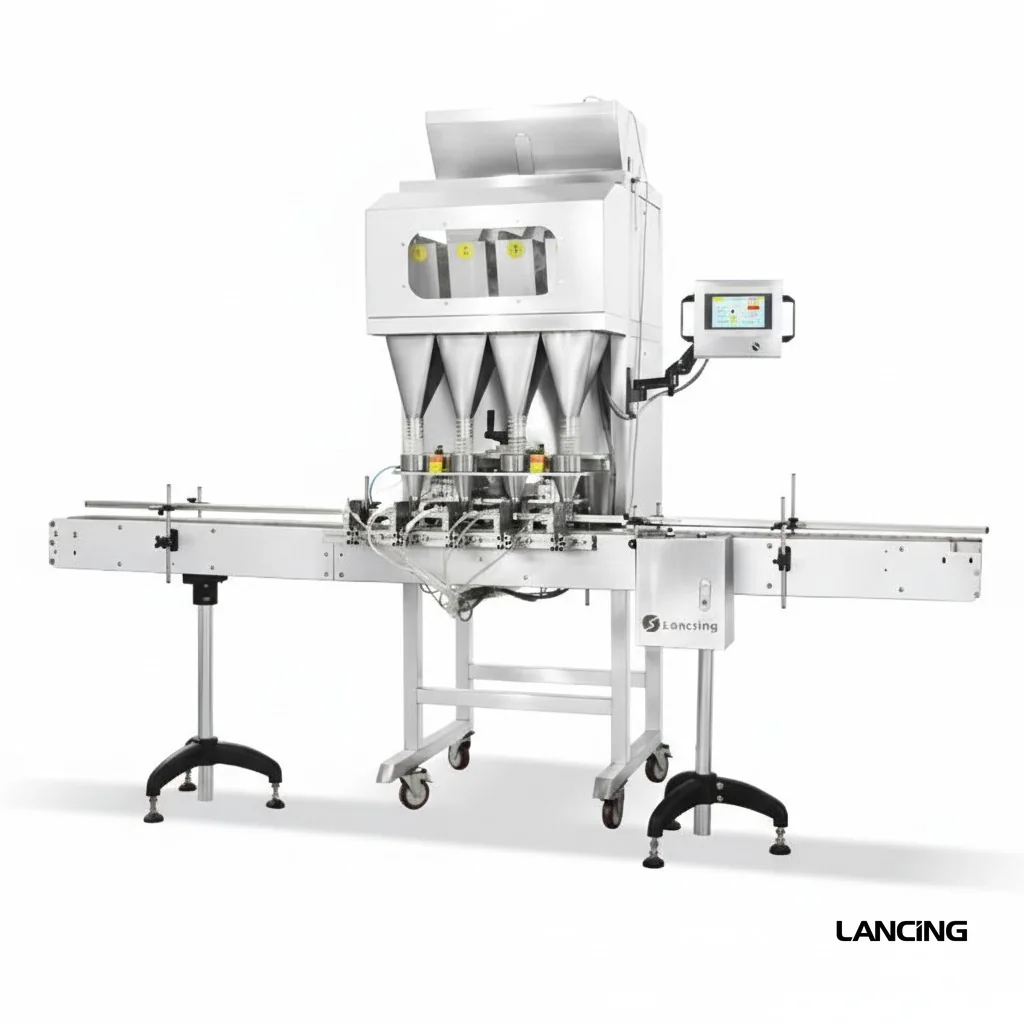
Linear weigh fillers
For free-flowing granules, beans, seeds, snacks and small components.
View route →Background video shows filling machinery operating on a production line.
Weigh filler specialistsPractical Lancing Ltd advice for choosing linear weigh fillers, multihead combination weighers, auger filling machines and VFFS weigh filling lines.
Start with your product behaviour, target weight, pack style and output target. The routes below help you compare the most likely machine types before you ask for advice.
For free-flowing granules, beans, seeds, snacks and small components.
View route →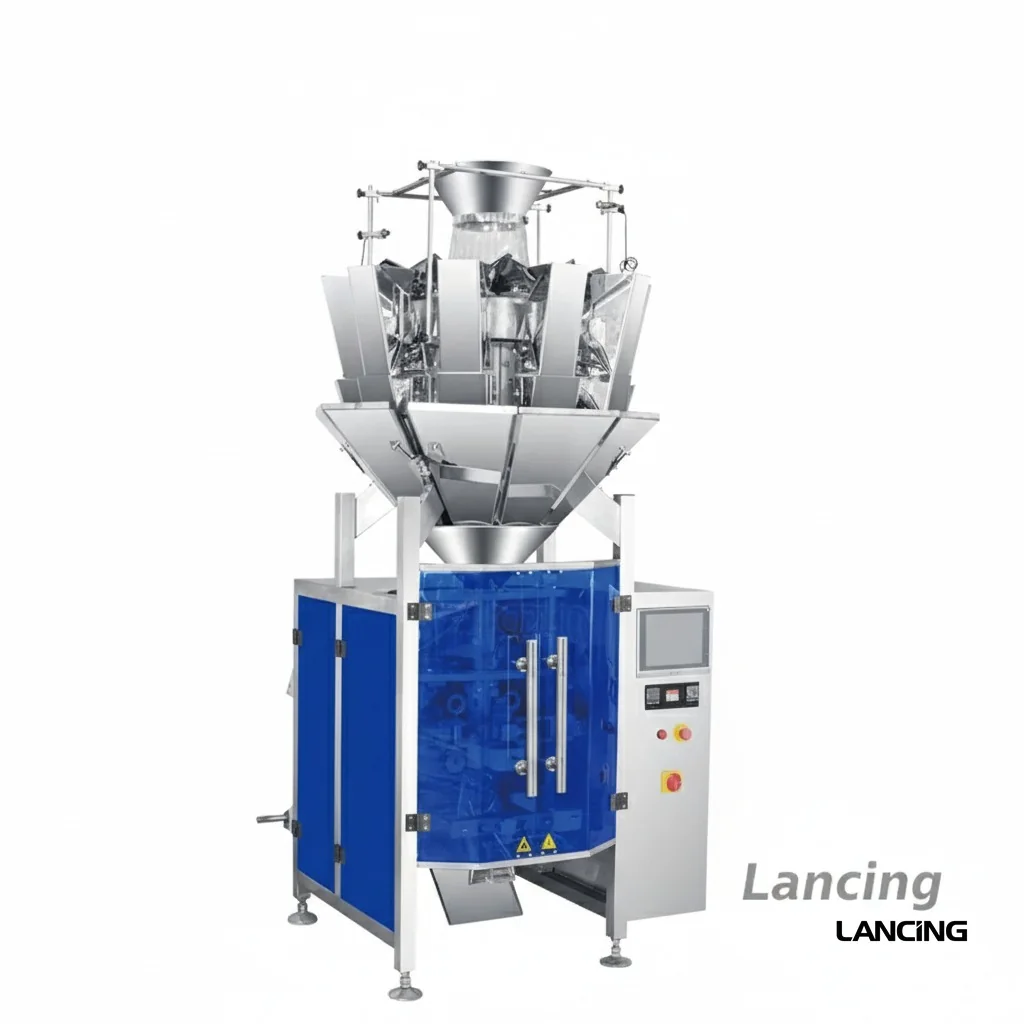
For higher-throughput portioning where speed, accuracy and pack presentation matter.
View route →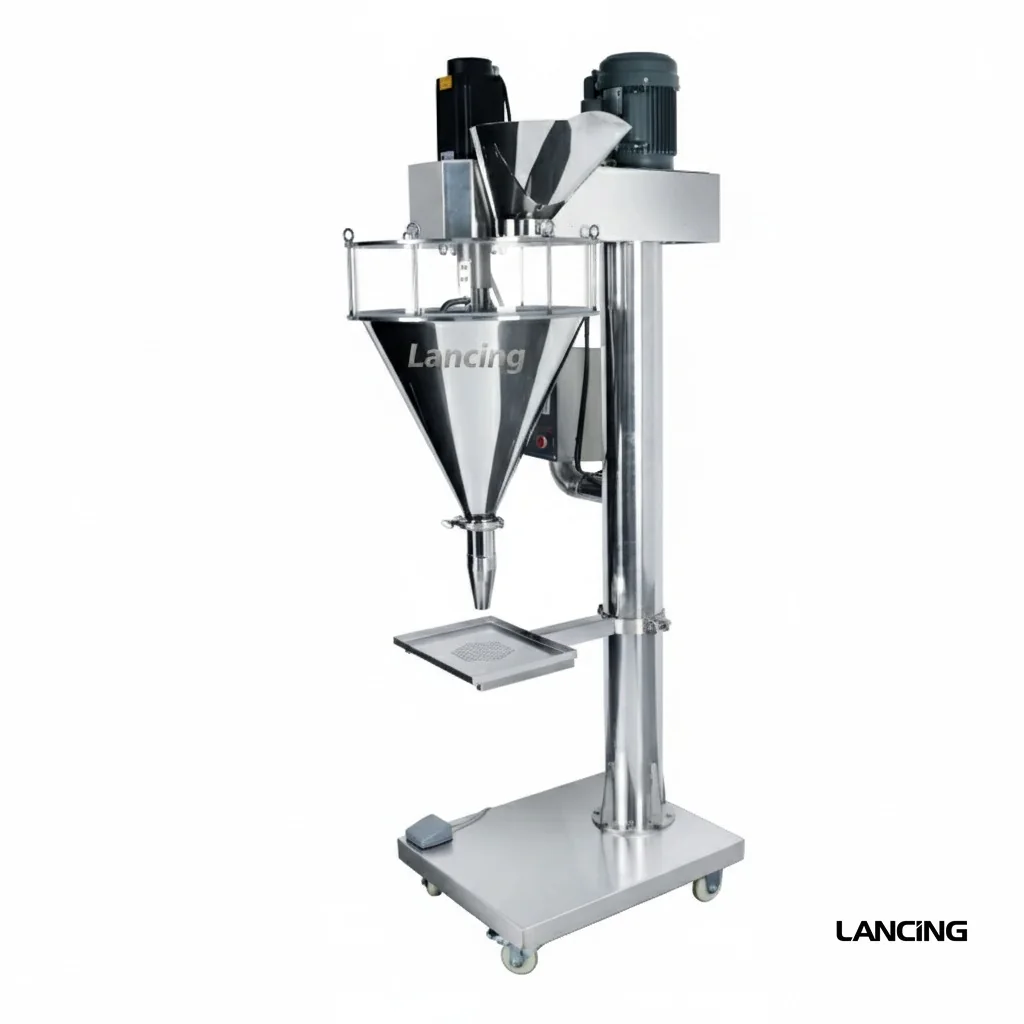
For powders, dry blends and products that need controlled screw dosing.
View route →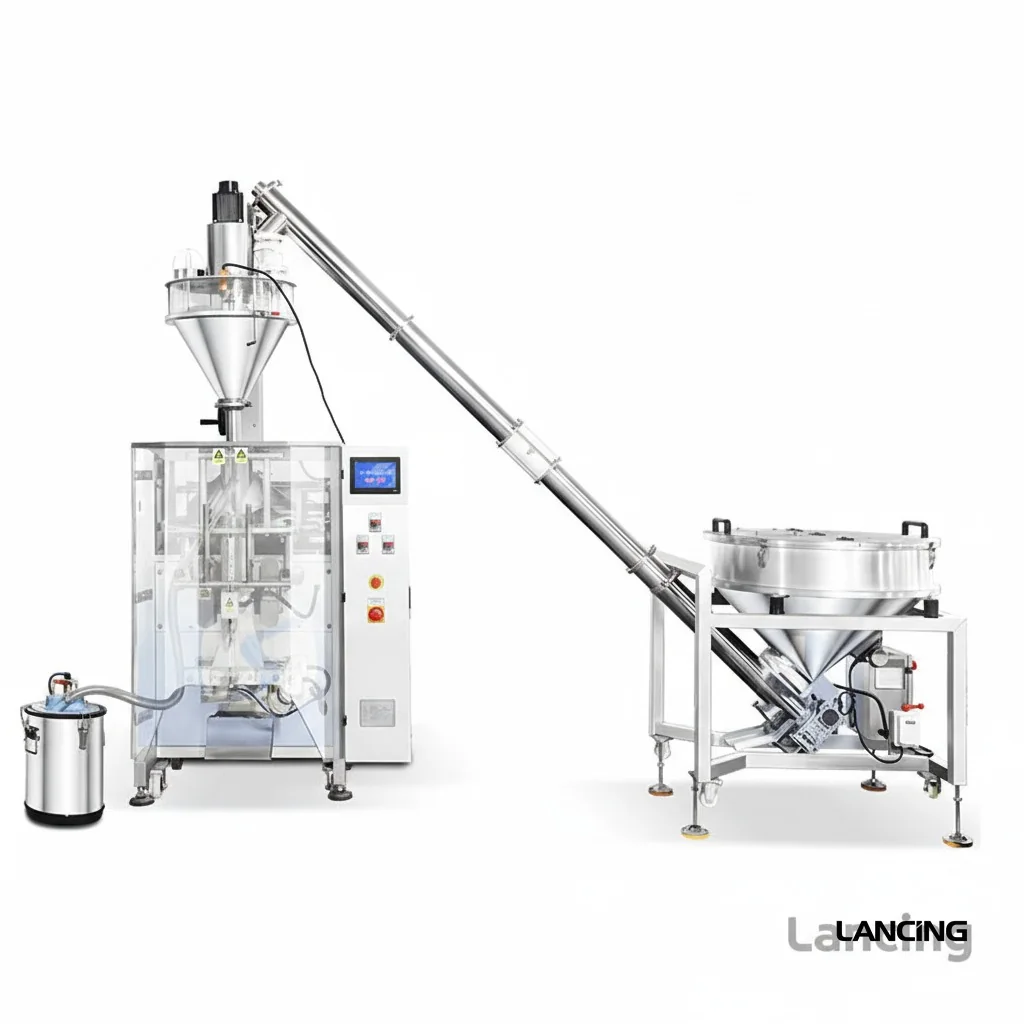
For roll-film bagging lines that form, fill and seal in one connected process.
View route →A free-flowing seed, an irregular snack, a dusty powder and a formed pouch line should not be treated as the same filling problem. Use the routes below to decide whether you need vibration-fed weighing, combination weighing, screw dosing or a complete form-fill-seal line.
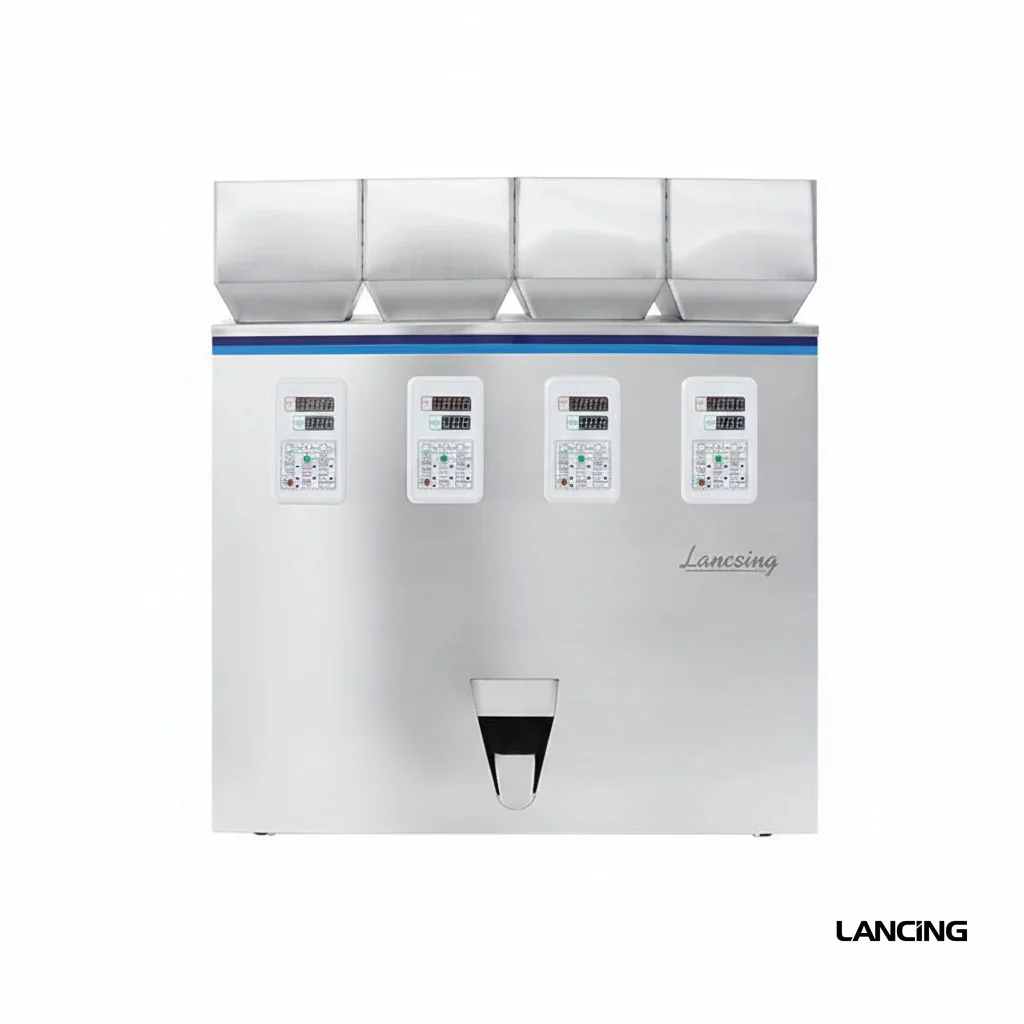
Good for many seeds, beans, granules and small components where a compact weigh filling machine is needed.
Best where several weigh heads combine to hit a target weight quickly and consistently.
Useful for fine powders and dry blends where screw feeding gives better control than open vibration.
Relevant when the machine needs to make a bag from roll film, dose product and seal the pack.
Use these application routes to match your product, finished pack and production target to a practical machine shortlist.
Dry ingredients, granules, blends, salts, sugars, grains and similar products.
Plan this application →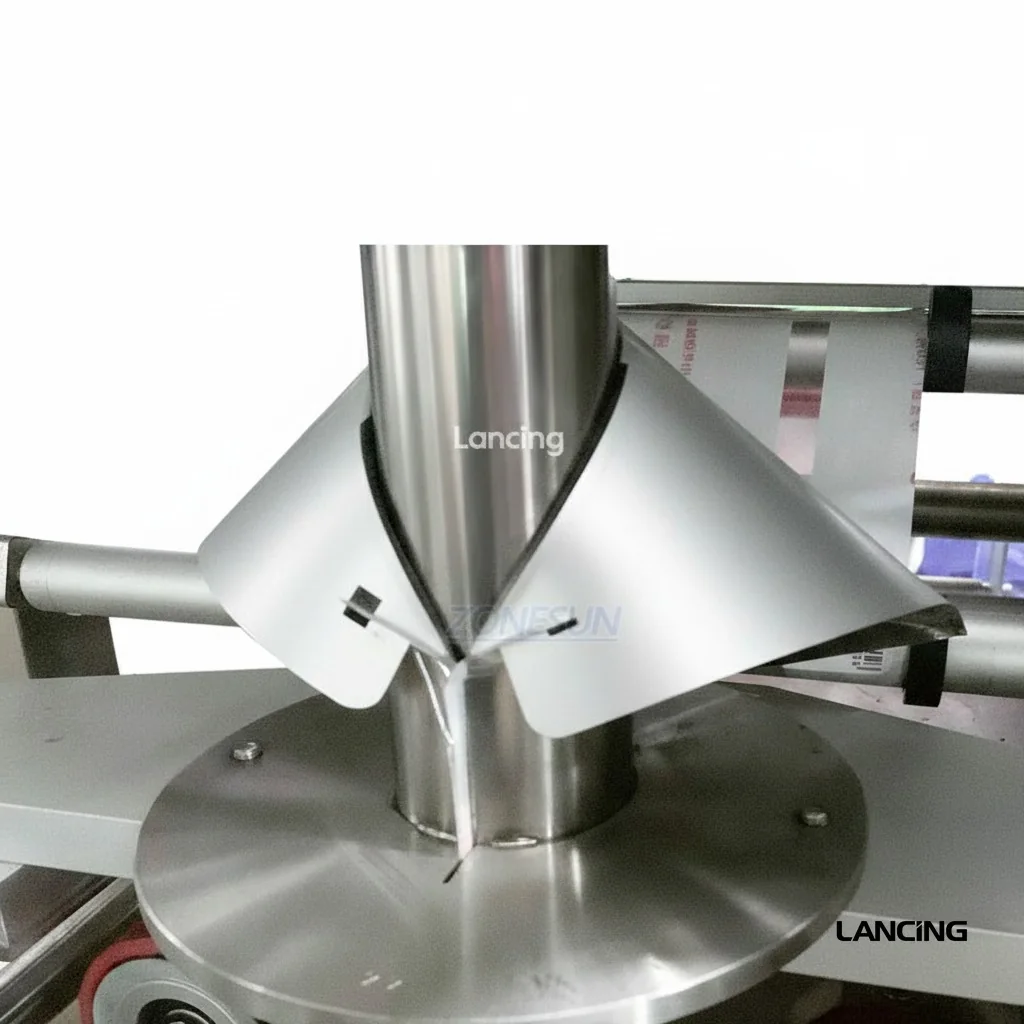
Beans, ground coffee, loose-leaf tea, seeds, grains and specialist dry foods.
Plan this application →Fragile, irregular or mixed products where product handling and speed are important.
Plan this application →Additives, pellets, small parts, fasteners and industrial dry products.
Plan this application →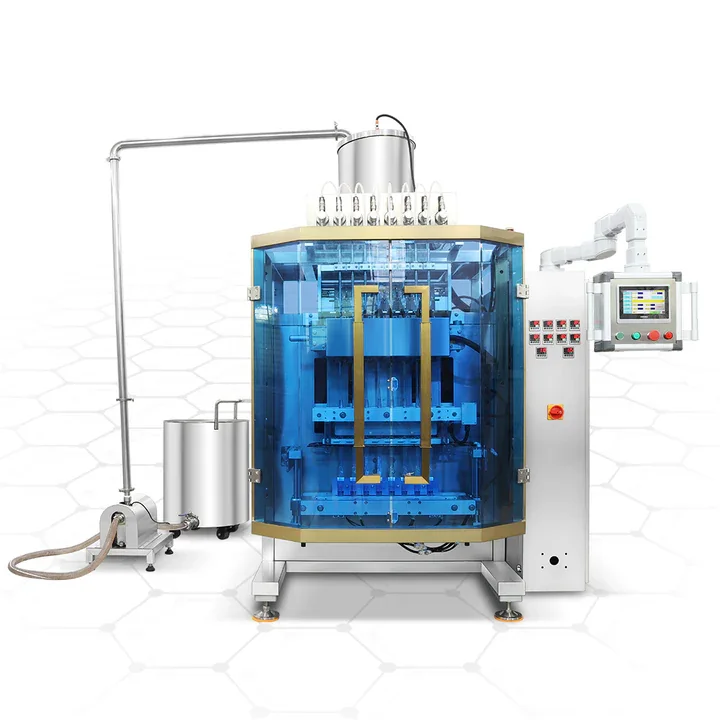
Route planning by pack style, closure, sealing method and downstream equipment.
Plan this application →These quick routes help buyers compare the closest weigh filling option before sending product details.
Send these details so the machine shortlist can be checked properly.
Weigh Fillers UK helps manufacturers and contract packers compare weigh filling machines for dry products, powders, granules, coffee, tea, snacks, pet food, chemicals and hardware. Our advice is structured around real machine selection: linear weigh fillers, multihead combination weighers, auger fillers and VFFS weigh filling lines.
A useful recommendation starts with the questions that matter: what is the product, what is the target weight, how accurate does the fill need to be, what pack is being filled and what output is required? With those details, Lancing can compare the right weigh filler, powder filler or automated bagging line for your process.
That gives Lancing enough information to compare a linear weigher, multihead weigher, auger filler or integrated bagging line.
Machine performance is only meaningful when the product, target weight, pack and test method are stated. These Lancing reference configurations are included to show the level of evidence used when a weigh filling route is shortlisted; they are not universal guarantees for every product.
| Reference configuration | Weighing arrangement | Verified range and hopper information | Speed and accuracy reference | Conditions that still need confirming |
|---|---|---|---|---|
| Lancing LU-999 Compact floor-standing vibratory weigh filler | Vibratory product feed into an electronic weighing system, then discharge to an operator-presented pack. | 10–999 g reference range. Hopper approximately 280 × 280 × 270 mm. | 6–15 bags/minute and approximately ±2 g in the verified reference specification. | Material flow, particle size, dose, hopper level, container handling and representative product trials. |
| Lancing LU-GFKL420 Automatic VFFS line | Ten electronic weighing heads feeding a roll-film vertical form-fill-seal machine. | 10–2500 g reference range; quoted for 500 g to 1 kg bags. Approximately 1.3 L per weigh head. | 5–60 bags/minute and approximately ≤0.3–1 g in the verified reference specification. | Product, target weight, bag former, bag dimensions, film, seal format, product drop and witnessed sample trials. |
| CBW-3000T2 / CBW-5000T2 Recorded Lancing weigh/depositor routes | Two-head semi-automatic weigh/depositor model references. | 3000 g and 5000 g model designations recorded in first-party equipment data. | Output and tolerance are deliberately not stated here because a verified test basis was not supplied for these model records. | Product sample, target range, operator presentation, discharge arrangement and agreed acceptance test. |
The correct quotation should state the exact product and pack used for any output or accuracy figure. Similar-looking powders, granules and pieces can behave differently because of bulk density, particle distribution, moisture, static, dust, fragility and hopper refill conditions.
Average giveaway is the mean accepted net weight minus the agreed target or declared quantity. Estimated run giveaway is that average multiplied by the number of accepted packs, using consistent units.
Calibration and routine verification help control measurement drift, but they do not by themselves establish that an instrument is suitable for a regulated trade use. The intended use, instrument category and applicable conformity route must be confirmed separately.
UK packaged-goods rules place responsibility on the packer. Official guidance explains the average-quantity rules, including the mean, tolerable negative error and the prohibition on packs below twice that error.
WeighFillers.co.uk is focused on weight-based dosing, target-weight control, linear and multihead weighing, semi-automatic weigh/depositing and the interface between weighing and the finished packing line. It should not duplicate detailed specialist content already owned by another Lancing domain.
Record the product, target weight, feeder settings, hopper condition, pack presentation, sample size, mean net weight, standard deviation, minimum, maximum and any rejected packs. A single best fill is not a useful acceptance result.
For an agreed target or declared quantity, average giveaway is the mean accepted net weight minus that reference quantity. Estimated giveaway for a run is the average giveaway multiplied by the number of accepted packs, using consistent units.
Not automatically. Calibration supports measurement control, but legal-for-trade suitability depends on the instrument, its intended use and the applicable legal-metrology route. The packer remains responsible for packaged-goods compliance.
It normally checks the finished pack after filling and closing or sealing, where the final net quantity can be assessed. Pack spacing, belt speed, reject handling and line-stop signals must be agreed with the rest of the line.
Provide representative product, the smallest and largest target weights, the actual bag, pouch or container, film where relevant, and enough product to observe normal flow, dust, fragility and changeover behaviour.