
Machine route
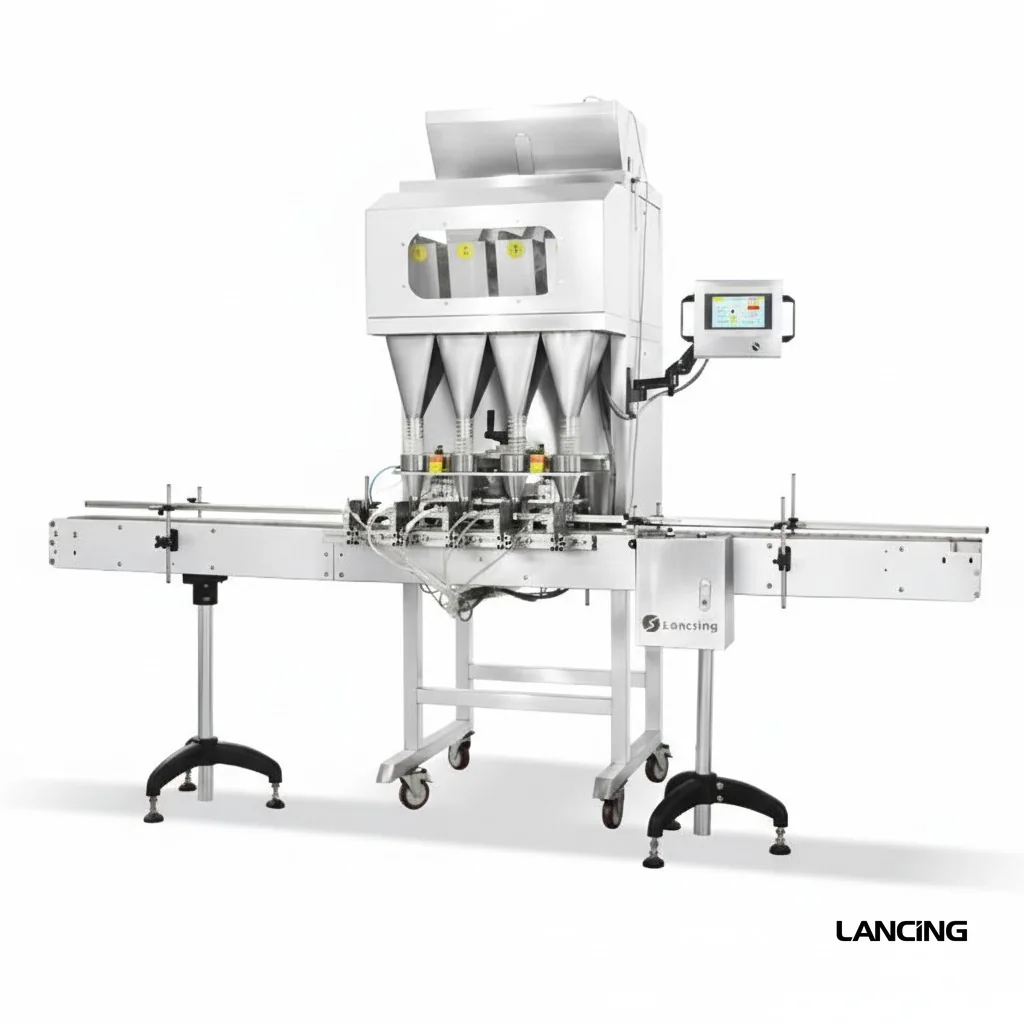
Linear weigh fillers
For free-flowing granules, beans, seeds, snacks and small components.
View route →Product breakage, mixed shapes, seasoning, pack weight and line speed make snack and pet food projects especially dependent on the right weighing route.
Start with your product and finished pack. Lancing compares product behaviour, target weight, pack handling and output so the machine shortlist is practical from the start.
A good recommendation balances product behaviour, target fill weight, pack handling, closure or seal method, throughput and how much operator involvement is acceptable.
Use these options to narrow down the right machine for your product, pack and production target.
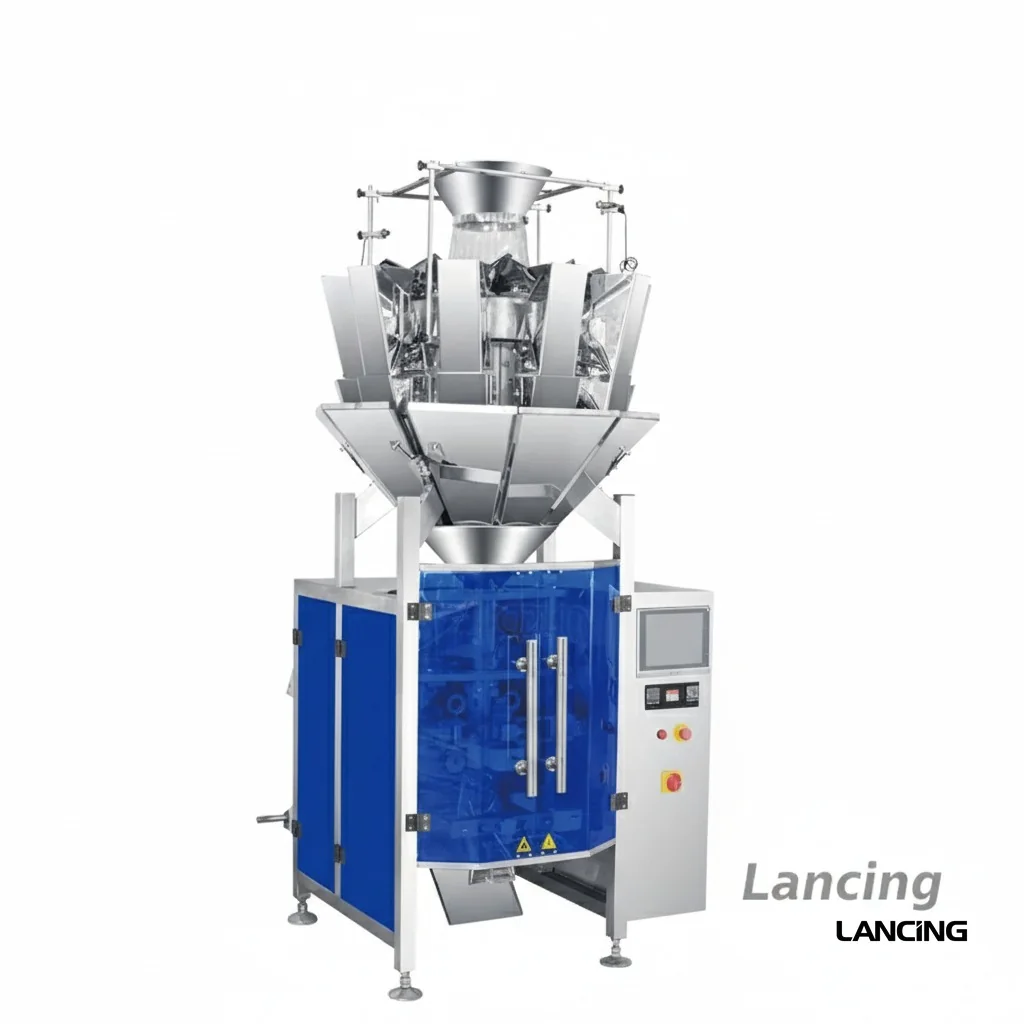
For free-flowing granules, beans, seeds, snacks and small components.
View route →For higher-throughput portioning where speed, accuracy and pack presentation matter.
View route →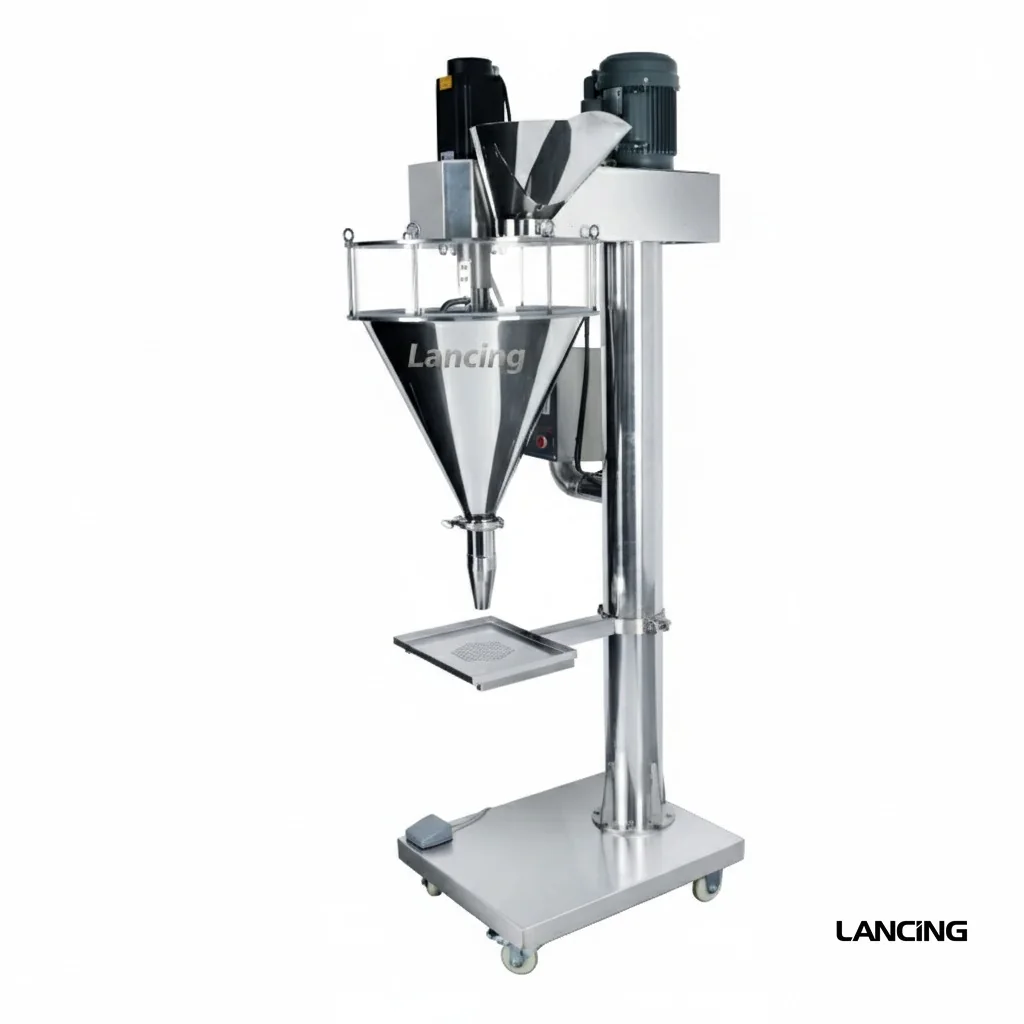
For powders, dry blends and products that need controlled screw dosing.
View route →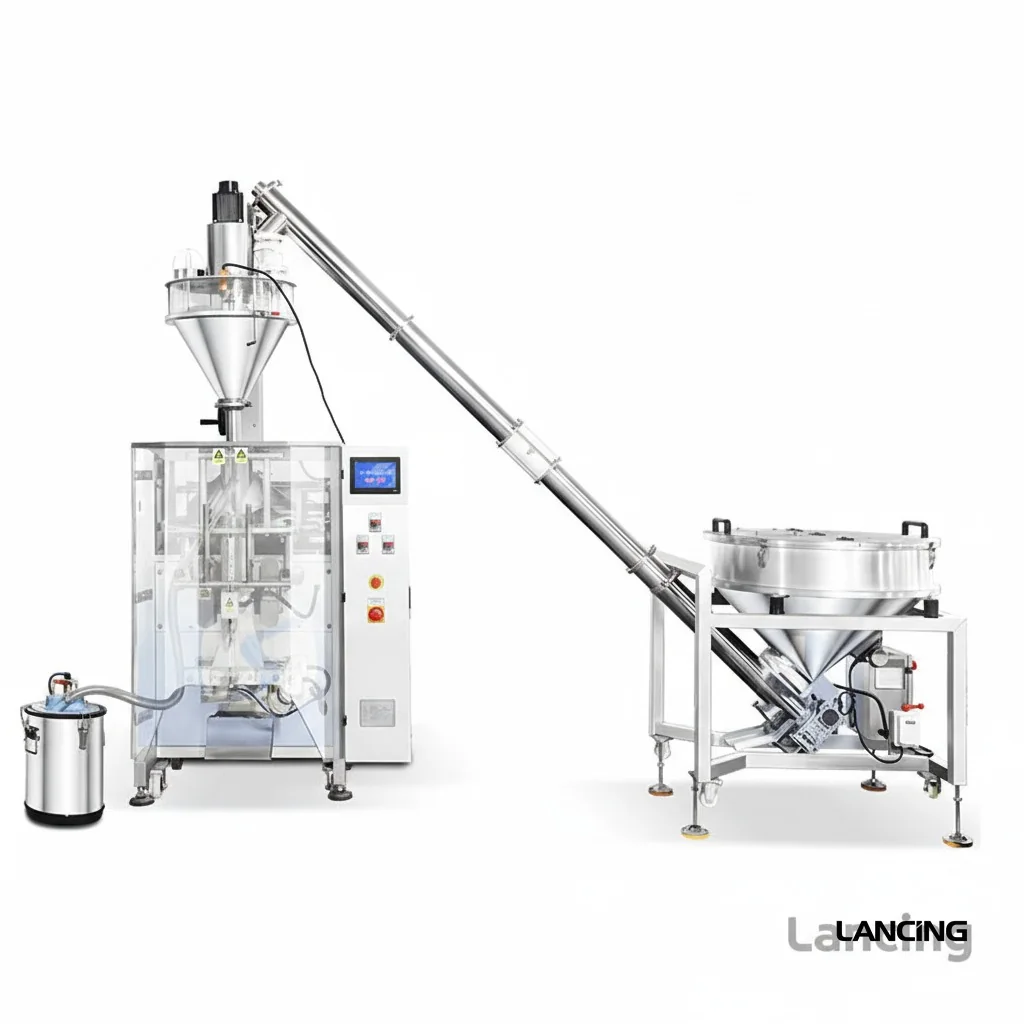
For roll-film bagging lines that form, fill and seal in one connected process.
View route →| Factor | Why it matters | Useful enquiry detail |
|---|---|---|
| Product behaviour | Determines whether weighing, auger dosing or hybrid feeding is suitable. | Flowability, dust, particle size, fragility, density and product sample availability. |
| Target fill | Changes hopper size, dosing principle, accuracy expectation and output. | Minimum and maximum fill weights plus acceptable tolerance. |
| Pack format | Controls discharge height, filling mouth, closure, sealing and downstream equipment. | Pouch, bag, jar, tub, bottle, box or existing machine interface. |
| Automation level | Defines operator workflow, speed, footprint and integration requirements. | Semi-automatic, compact automatic, full line or staged upgrade route. |
Straight answers to help you choose the right filling route before requesting advice.
Multihead weighers are often compared for snacks because combination weighing can improve speed and target-weight consistency for irregular pieces.
Often, but the handling route must be designed to reduce breakage through controlled drops, suitable buckets and realistic speed settings.
Many snack and pet food lines benefit from checkweighing or inspection, especially where giveaway, compliance or customer pack weight matters.
Use these pages to compare product and pack-specific filling options.
That gives Lancing enough information to compare a linear weigher, multihead weigher, auger filler or integrated bagging line.
Irregular pieces can make a multihead weigher attractive, but the highest head count or fastest published cycle is not automatically the best production setting. Product distribution, bucket volume, drop height, surface treatment, oil or seasoning, and the bagger cycle all affect the result.
Observe the centre cone, radial feeders and weigh buckets across a full hopper cycle. Starved or overloaded heads reduce useful combinations and can increase giveaway.
Compare the incoming sample with finished packs. Lower drops, controlled feeder amplitude and suitable buckets may matter more than a short headline speed test.
Loose seasoning, crumbs or kibble in the seal area can create rejects even when the weight is correct. Run the weigher, bagger and checkweigher as one system.
Define the weigher-to-bagger ready/busy signals, discharge timing, target recipe transfer, product-low alarm, downstream stop and reject confirmation. A checkweigher verifies the finished pack; it should not be presented as a substitute for stable feeding and correct combination-weigher setup.