
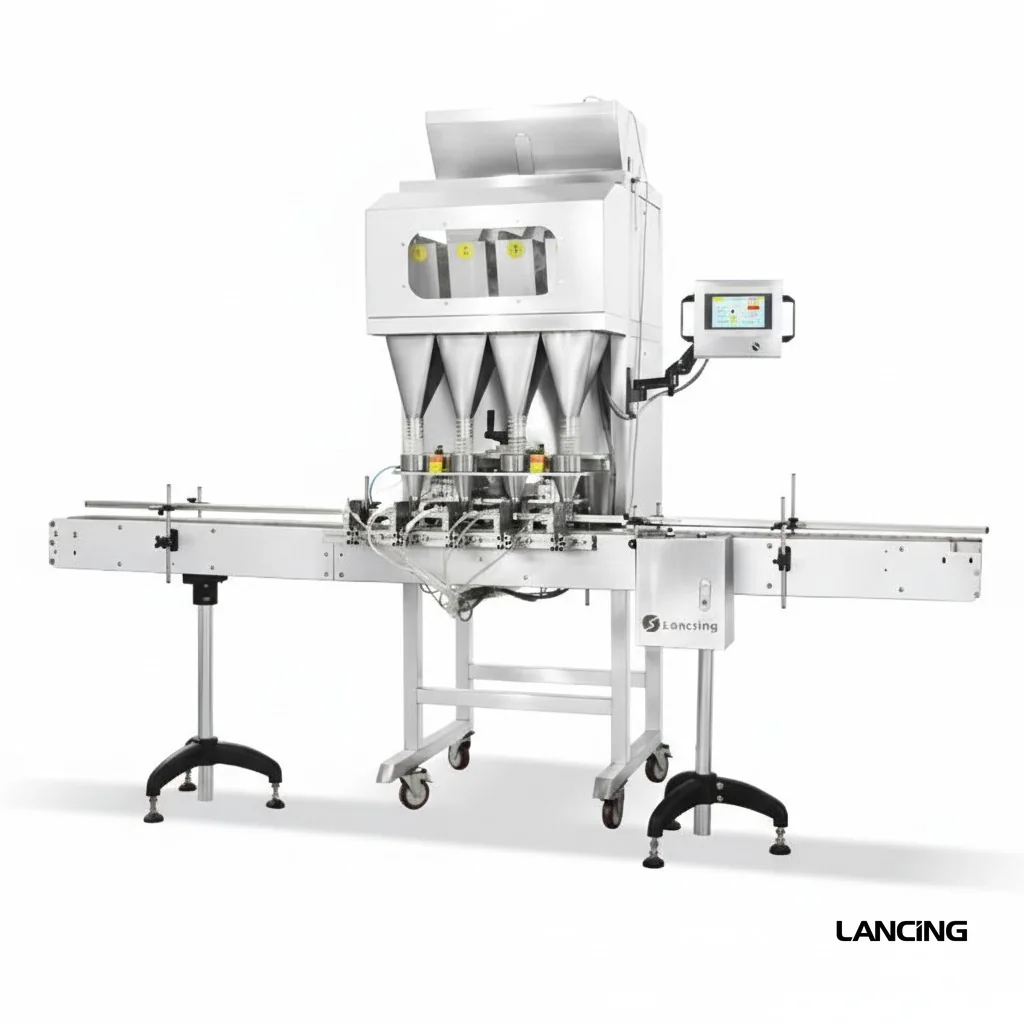
Machine route
Linear weigh fillers
For free-flowing granules, seeds, beans, rice, pellets and small components.
View route →Use target weight, acceptable tolerance and product behaviour to compare the right filling route.
Weigh filler accuracy and tolerance planning starts with the product behaviour, target fill weight, pack format and the output you need from the line.
This page is written for UK manufacturers, contract packers and production teams comparing practical dry-product filling routes before requesting advice. The aim is to narrow the shortlist before you invest time in a quotation.
Typical products include buyers who need consistent fill weights and want to reduce product giveaway. The final route depends on sample behaviour, pack handling, tolerance and how much operator involvement is acceptable.
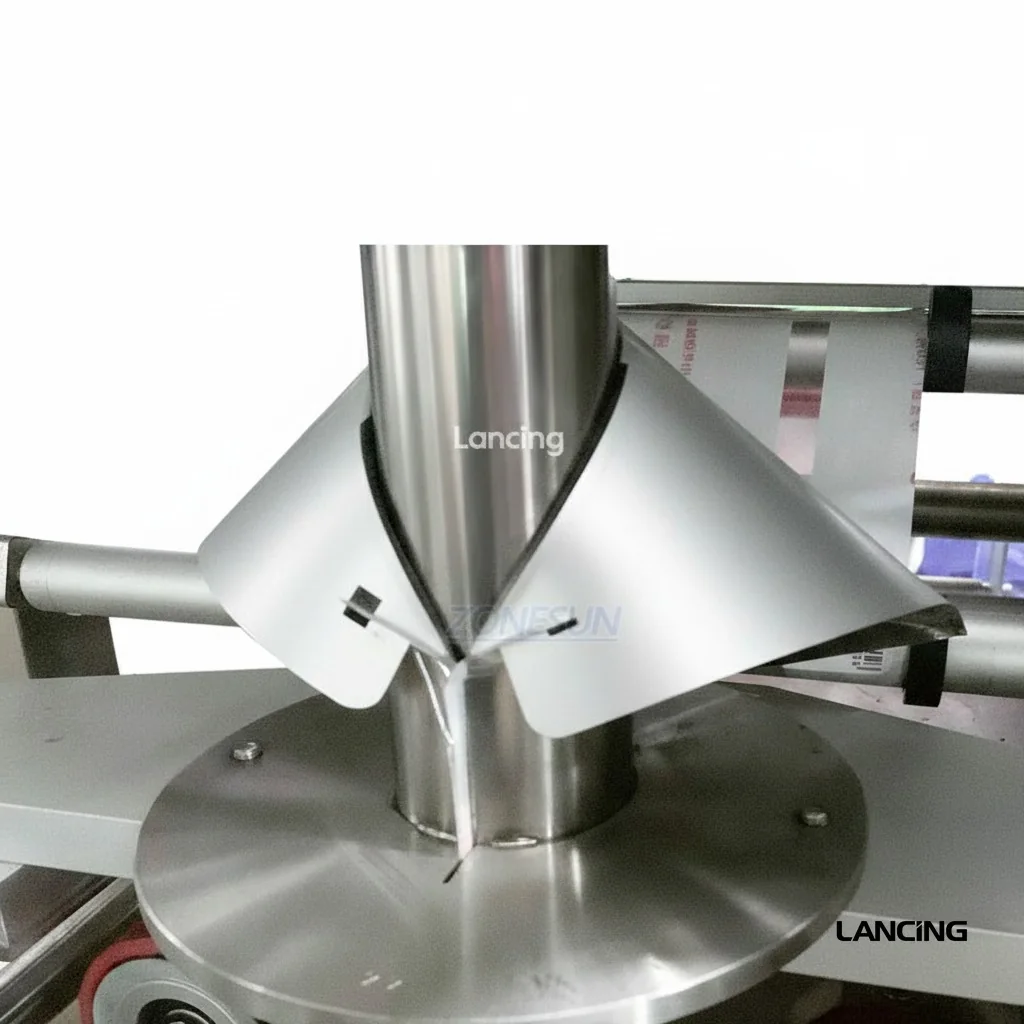
Most dry-product projects are narrowed down by comparing these four routes against the product and pack.
For free-flowing granules, seeds, beans, rice, pellets and small components.
View route →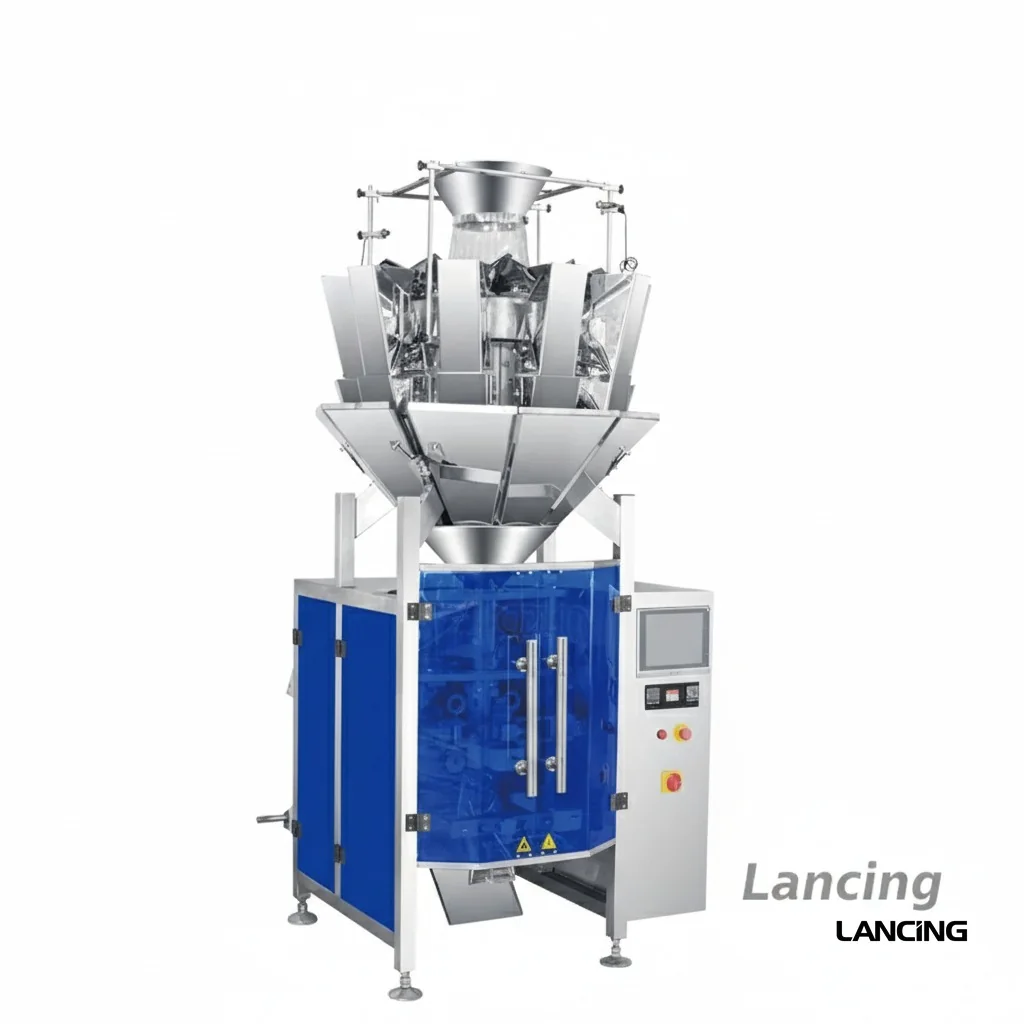
For higher-speed portioning of snacks, pet food, mixed products and irregular pieces.
View route →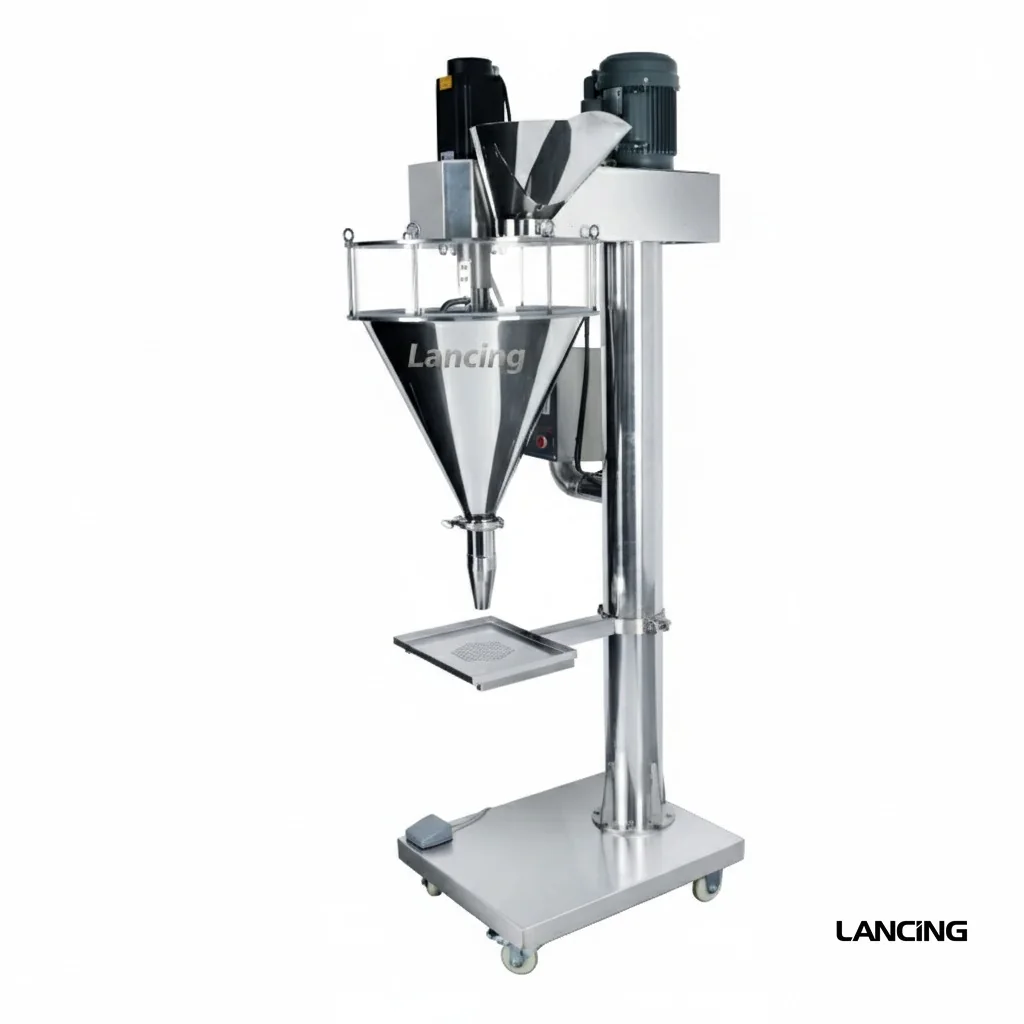
For powders, fine ingredients, dry blends, spices, additives and controlled screw dosing.
View route →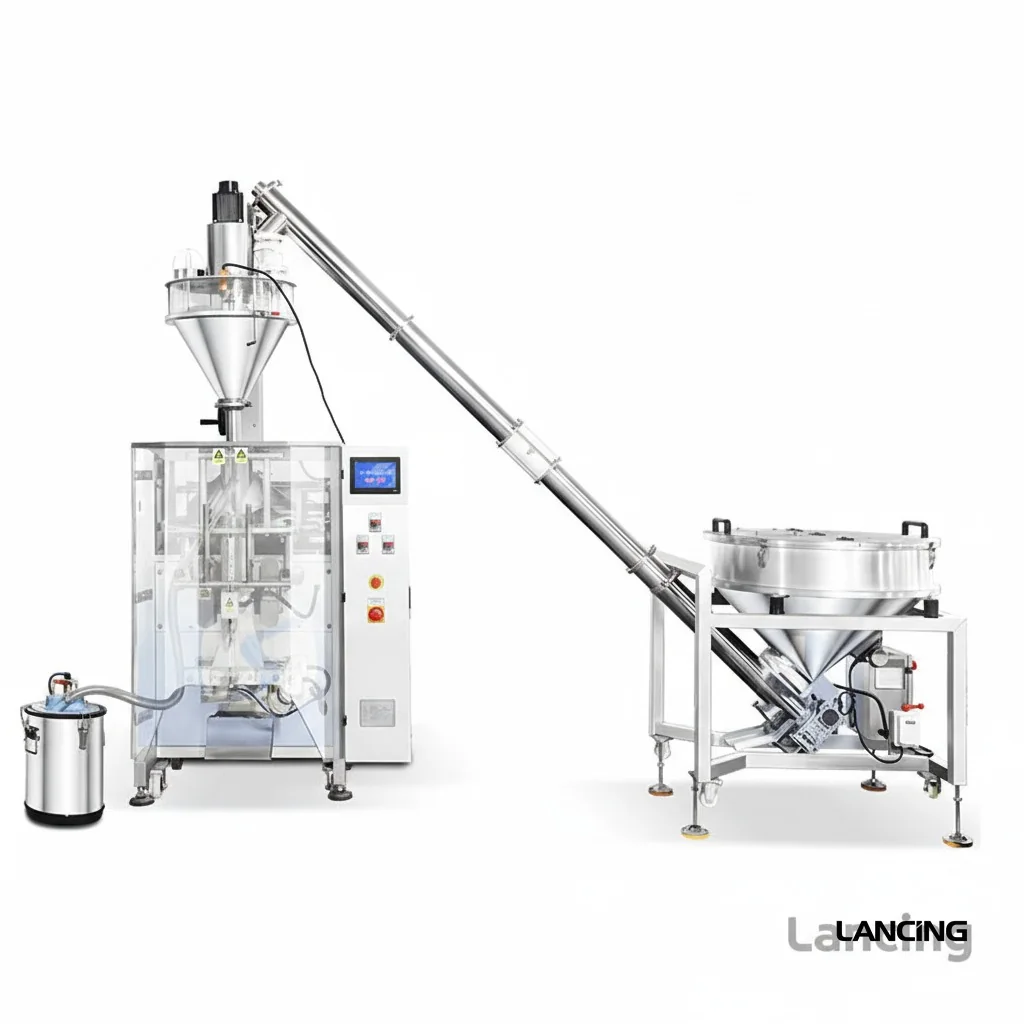
For automatic bagging lines that form, fill and seal from roll film.
View route →| Decision | Why it matters | Useful detail to send |
|---|---|---|
| Product behaviour | Flow, dust, fragility, bulk density and particle size decide whether weighing or auger dosing is more practical. | Product name, sample details, dust level and whether it bridges or sticks. |
| Pack format | Pouches, bags, jars, tubs and boxes need different presentation, discharge height and finishing equipment. | Pack dimensions, opening size, closure or seal method. |
| Output target | The required packs per minute determines automation level, product feed and downstream integration. | Current speed, desired speed and target operator involvement. |
Short answers for buyers comparing filling routes before requesting a machine recommendation.
Product flow, bulk density, target weight, feeder control and pack handling all affect accuracy.
No. A checkweigher verifies filled packs; the filler still controls dosing.
The route can be improved by choosing the correct dosing method, controlling product flow and using suitable feedback or checking.
That gives Lancing enough information to compare a linear weigher, multihead weigher, auger filler or integrated bagging line.
An accuracy statement without the product, target, sample method and distribution can be misleading. Use net weights from consecutive normal production fills and keep the rejected packs in the record.
Add the measured net weights and divide by the number of results. Compare the mean with the agreed target or declared quantity.
Use the sample standard deviation to describe variation around the mean. Report minimum, maximum and range as practical supporting values.
Average giveaway = mean accepted net weight − agreed target or declared quantity. Estimated run giveaway = average giveaway × accepted pack count.
| Record | Why it matters | Do not omit |
|---|---|---|
| Product and condition | Flow, density, moisture, temperature, static and particle distribution affect the result. | Batch identity and representative normal variation. |
| Machine and settings | Feeder stages, hopper level, tooling, recipe and target define the test. | Changes during the run and the reason for each change. |
| Reference measurement | The check scale or test weights must be suitable for the range and procedure. | Identification, resolution, verification status and tare method. |
| Consecutive weights | They show the actual distribution rather than selected good fills. | Rejected, under-target and interrupted cycles. |
| Output | Higher speed can alter feeder control, settling and pack handling. | Finished accepted packs, elapsed time and bottleneck. |
A practical routine may include zero/tare, reference checks at suitable points in the working range, product verification and documented action limits. Repeat after relocation, load-cell work, mechanical interference, significant maintenance or an unexplained shift.
Calibration records support traceability, but the applicable legal-metrology route depends on the instrument and intended use. The UK Measuring Instruments Regulations cover automatic gravimetric filling instruments used for trade, while separate rules apply to regulated non-automatic instruments.
Official UK guidance describes the three packers’ rules: contents must not be less on average than the nominal quantity, only a permitted proportion may be below the tolerable negative error, and no pack may be below twice that error.
This page is engineering guidance, not a legal determination. Confirm the applicable control system with a competent legal-metrology adviser or local trading standards.
Accuracy describes closeness to the agreed reference; repeatability describes the spread when the same conditions are repeated. A process can be repeatable but consistently high or low.
It describes the spread of consecutive results around the mean and helps distinguish a centred stable process from one with wide variation.
State the reference quantity, mean accepted net weight, average giveaway per pack and the assumed number of accepted packs. Keep the same units and do not hide underweight rejects.
No. A checkweigher provides a downstream measurement or classification. The filler and checkweigher each need their own verification and traceability procedures.
The intended use and applicable legislation determine the route. Packers should obtain competent legal-metrology or trading-standards advice where the instrument is used for regulated trade or packaged-goods control.
A weight distribution can only be interpreted if the reference measurement is stable, the tare method is defined and the operator records packs consistently. Otherwise scale noise, changing tare or handling technique can be mistaken for filler variation.
| Check | Measurement-system question | Process question | Record required |
|---|---|---|---|
| Reference scale | Is the capacity, resolution and verification status suitable for the target and expected variation? | Is the filler isolated from contact, vibration and product build-up? | Scale identification, check result, location and test time. |
| Tare | Is every pack individually tared, is a verified average tare used, or is gross weight being assessed? | Do pouches, jars or closures vary enough to affect the reported net distribution? | Tare method and sample of empty-pack weights. |
| Sampling | Are fills consecutive and recorded in order, including rejects and disturbed cycles? | Did refill, adjustment, stop or operator intervention occur in the sequence? | Sequential weights with event markers. |
| Environment | Could draught, vibration, unstable support or static affect the reference reading? | Could humidity, product conditioning or static change feed behaviour? | Relevant environmental and product-condition notes. |
| Repeat check | Can the same pack be reweighed consistently without changing its contents? | Does zero or indicated weight drift after cleaning, relocation or maintenance? | Repeat readings and pre/post-run zero or reference checks. |
Do not pool unlike conditions into one average. Keep start-up, stable production, low hopper, high hopper, refill, product-batch change, target change and post-cleaning first-off packs identifiable. The overall distribution is still retained, but the segments show where bias or spread enters the process.
A narrow distribution centred too high is mainly a set-point or bias question. A wide distribution is a stability question. A few isolated tails may indicate sticking, incomplete discharge, refill disturbance or handling loss. Those patterns require different engineering responses.
Statistical process monitoring, internal tolerances and legal packaged-goods compliance are related but not interchangeable. The applicable legal-metrology and average-quantity basis must be confirmed for the actual product and market; a website calculation or checkweigher setting is not legal approval.
It must be suitable for the target and capable of resolving the process variation being assessed. The exact requirement belongs in the project acceptance method and should be confirmed against the applicable quality or legal basis.
Do not hide them. Record them as a separate identifiable segment, then state whether the agreed acceptance basis includes or excludes a defined start-up condition.
They should remain separate for capability and acceptance because feed behaviour, in-flight material, hopper capacity and tolerance can change. A later summary may compare them without pooling the raw distributions.
The sample size should be agreed from project risk, process stability and the acceptance purpose. Whatever the number, keep the fills consecutive and retain rejects, adjustments and event markers.