
Linear weigh fillers
Compare controlled weighing for free-flowing granules, pieces, dry foods and small parts.
Open pageUse the question pages to prepare a better enquiry and reduce specification uncertainty.
Use this route to compare specialist weigh filling pages by product, pack format, fill weight and production problem.
Each page is written for UK production teams who need practical information before requesting a machine shortlist or quotation.
For the fastest advice, send the product, target weight, pack format, output target, available space and any existing conveyors, sealers or checkweighers.
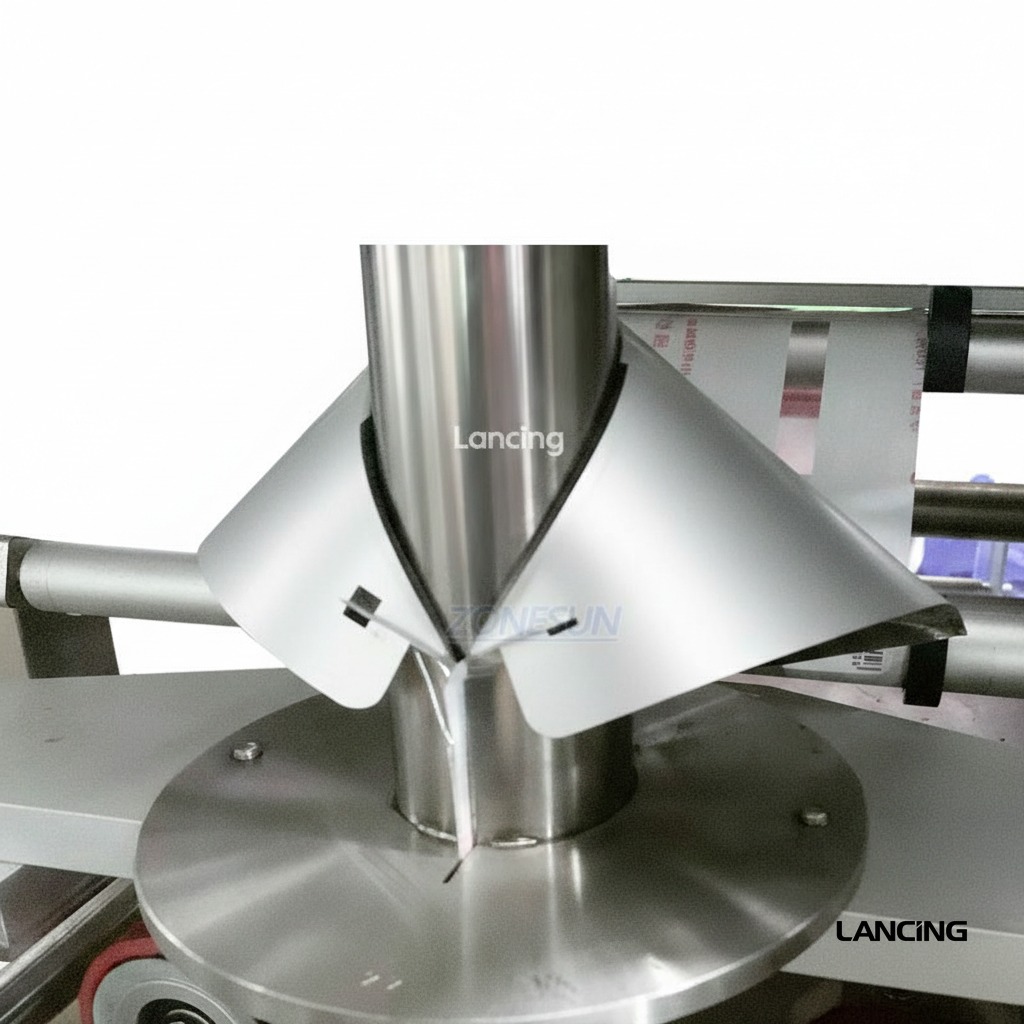
These pages help narrow the shortlist before a quotation, sample review or line layout discussion.
Compare controlled weighing for free-flowing granules, pieces, dry foods and small parts.
Open pageCompare high-speed combination weighing for snacks, pet food, coffee, sweets and mixed dry products.
Open pageCompare screw dosing routes for fine, dusty or less free-flowing powders.
Open pagePlan weighing, forming, filling and sealing in one automated vertical bagging line.
Open pageShort answers for production teams comparing weighing, dosing, filling and pack handling options.
Start with the product if product flow is the main unknown, or the pack format if the line layout is already decided.
Yes. Lancing can discuss weighing, feeding, filling, sealing, checkweighing and conveyor integration.
A sample or clear product photos are useful where flow, dust, fragility or bridging may affect the machine choice.
Answers to common questions about weigh fillers, accuracy, output, product suitability, powder filling, VFFS and quotation details.
Compare the best weigh filler route for granules, seeds, rice, pellets, pet food, coffee and small parts.
Open pageCompare the best weigh filler route for powder products including auger filling, hopper design, dust control and checkweighing.
Open pageLearn when one weigh filler can handle pouches and jars, and what pack handling changes are usually needed.
Open pageCan a weigh filler handle granules?: compare machine route, fill weight, pack handling, output and accuracy for UK dry-product packing.
Open pageCan a weigh filler handle powder?: compare machine route, fill weight, pack handling, output and accuracy for UK dry-product packing.
Open pageWhen to add a checkweigher after a weigh filler for finished-pack inspection, tolerance control and reject handling.
Open pageDoes a weigh filler reduce giveaway?: compare machine route, fill weight, pack handling, output and accuracy for UK dry-product packing.
Open pageDoes weigh filling work with VFFS?: compare machine route, fill weight, pack handling, output and accuracy for UK dry-product packing.
Open pageHow accurate is a weigh filler?: compare machine route, fill weight, pack handling, output and accuracy for UK dry-product packing.
Open pageHow weigh fillers work with feeders, weigh hoppers, load cells and discharge into bags, pouches, jars or VFFS lines.
Open pageHow fast is a weigh filling machine?: compare machine route, fill weight, pack handling, output and accuracy for UK dry-product packing.
Open pageHow much space does a weigh filler need?: compare machine route, fill weight, pack handling, output and accuracy for UK dry-product packing.
Open pageReduce product giveaway by choosing the right weigh filling route, feeder control, checkweighing and line setup.
Open pageHow to specify a weigh filling machine for powders, granules, dry ingredients, pouches, bags, jars and tubs.
Open pageCompare linear weighers and multihead weighers for dry products, snacks, coffee, pet food, seeds, granules and small parts.
Open pageCompare weigh fillers and auger fillers for powders, granules and dry blends. Learn when auger dosing is worth considering.
Open pageCompare weigh fillers and volumetric fillers for dry products where density changes, giveaway and pack weight control matter.
Open pageLearn what affects weigh filler accuracy including product flow, feeder control, target weight, vibration, pack handling and checkweighing.
Open pageWhat data is needed for a weigh filler quote?: compare machine route, fill weight, pack handling, output and accuracy for UK dry-product packing.
Open pageLearn how fill weight range affects the choice of linear weigher, multihead weigher, auger filler, gross weigh or net weigh system.
Open pagePrepare a better weigh filler enquiry with product, target weight, pack format, output, tolerance, samples and line integration details.
Open pageWhat is a linear weigher?: compare machine route, fill weight, pack handling, output and accuracy for UK dry-product packing.
Open pageWhat is a multihead weigher?: compare machine route, fill weight, pack handling, output and accuracy for UK dry-product packing.
Open pageA weigh filler doses product by weight. Learn when weigh fillers are used for powders, granules, snacks, coffee, pet food and small parts.
Open pageWhat is an auger filler?: compare machine route, fill weight, pack handling, output and accuracy for UK dry-product packing.
Open pageCompare pack formats for weigh filling including pouches, bags, jars, tubs, bottles and VFFS bags.
Open pageWhat products can a weigh filler handle?: compare machine route, fill weight, pack handling, output and accuracy for UK dry-product packing.
Open pageTell us the product, target fill weight, tolerance, pack format, output target and any existing equipment. We will help compare the most suitable weigh filling route.
A buyer question can narrow the route, but it should not replace product trials, pack samples or legal and safety assessments. Answers about speed, accuracy, suitability and cleaning must retain the conditions behind them.
Where another Lancing domain owns the detailed technology, the answer should link to that specialist route rather than reproduce a competing page.