
Machine route
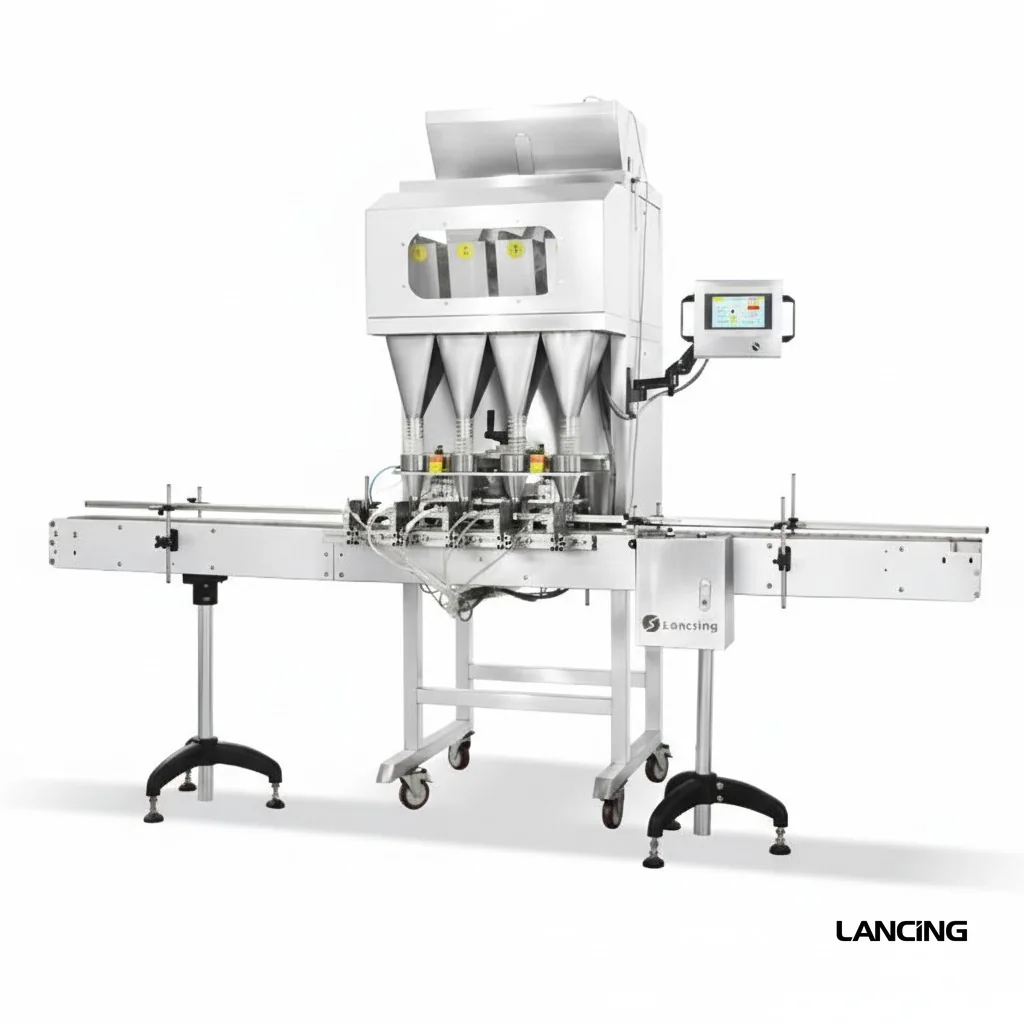
Linear weigh fillers
For free-flowing granules, seeds, beans, rice, pellets and small components.
View route →Compare vibration-fed weigh filling routes for free-flowing products and compact production lines.
Vibratory weigh fillers for controlled linear feeding starts with the product behaviour, target fill weight, pack format and the output you need from the line.
This page is written for UK manufacturers, contract packers and production teams comparing practical dry-product filling routes before requesting advice. The aim is to narrow the shortlist before you invest time in a quotation.
Typical products include free-flowing granules, seeds, pellets, beans, rice and small components. The final route depends on sample behaviour, pack handling, tolerance and how much operator involvement is acceptable.
Most dry-product projects are narrowed down by comparing these four routes against the product and pack.
For free-flowing granules, seeds, beans, rice, pellets and small components.
View route →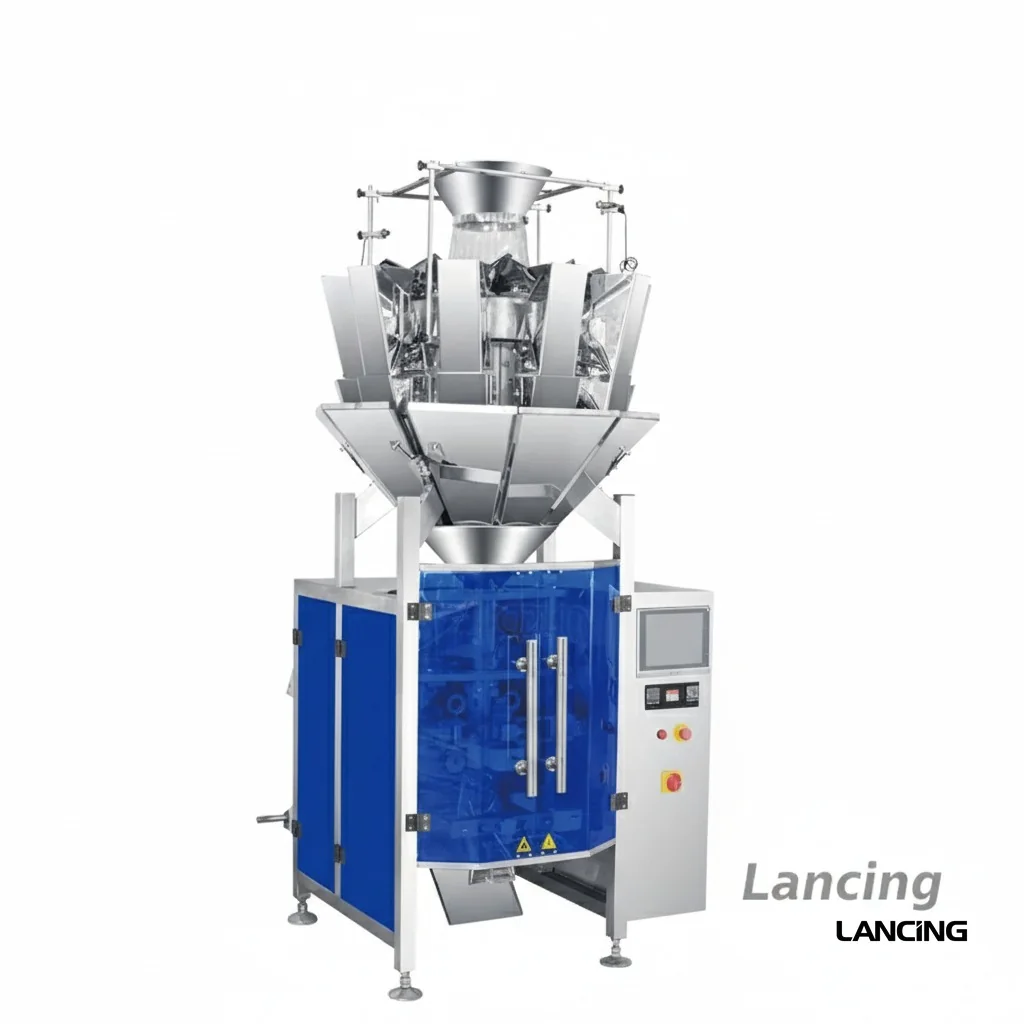
For higher-speed portioning of snacks, pet food, mixed products and irregular pieces.
View route →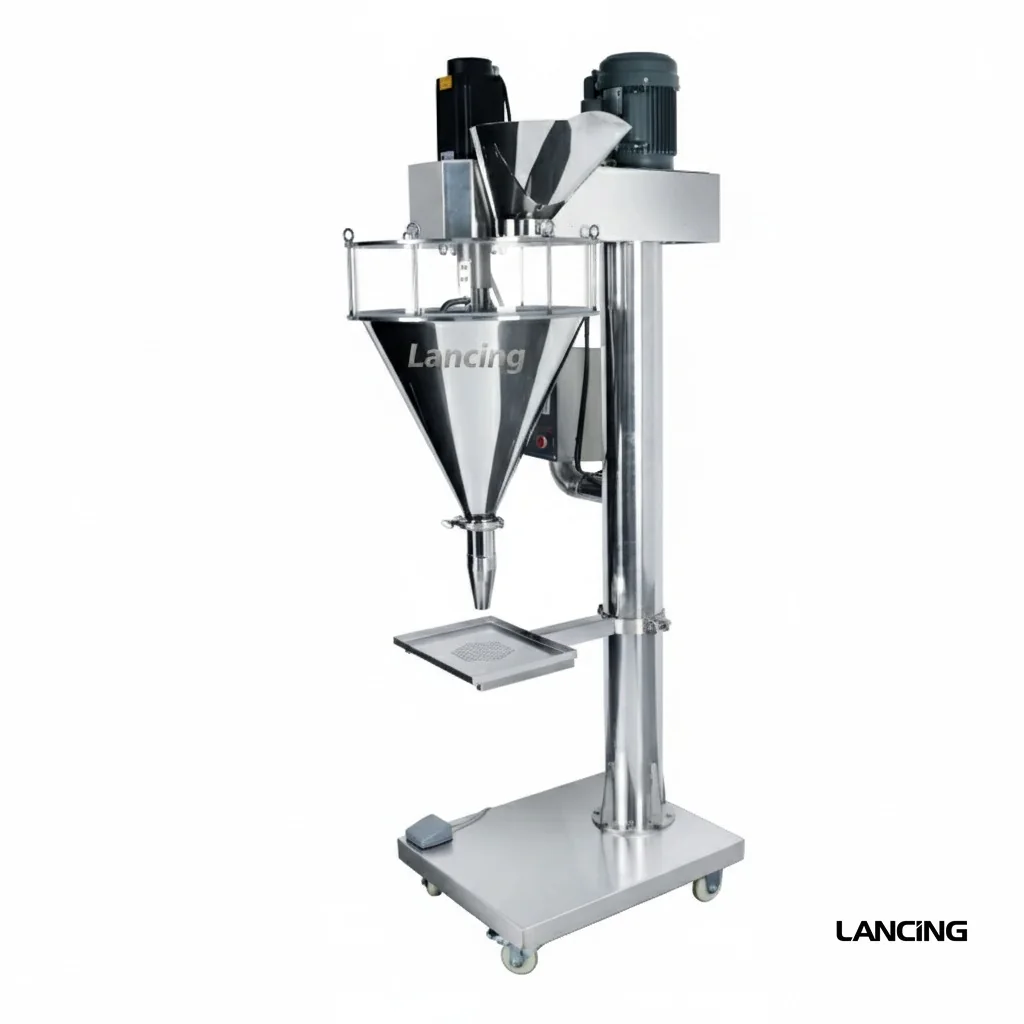
For powders, fine ingredients, dry blends, spices, additives and controlled screw dosing.
View route →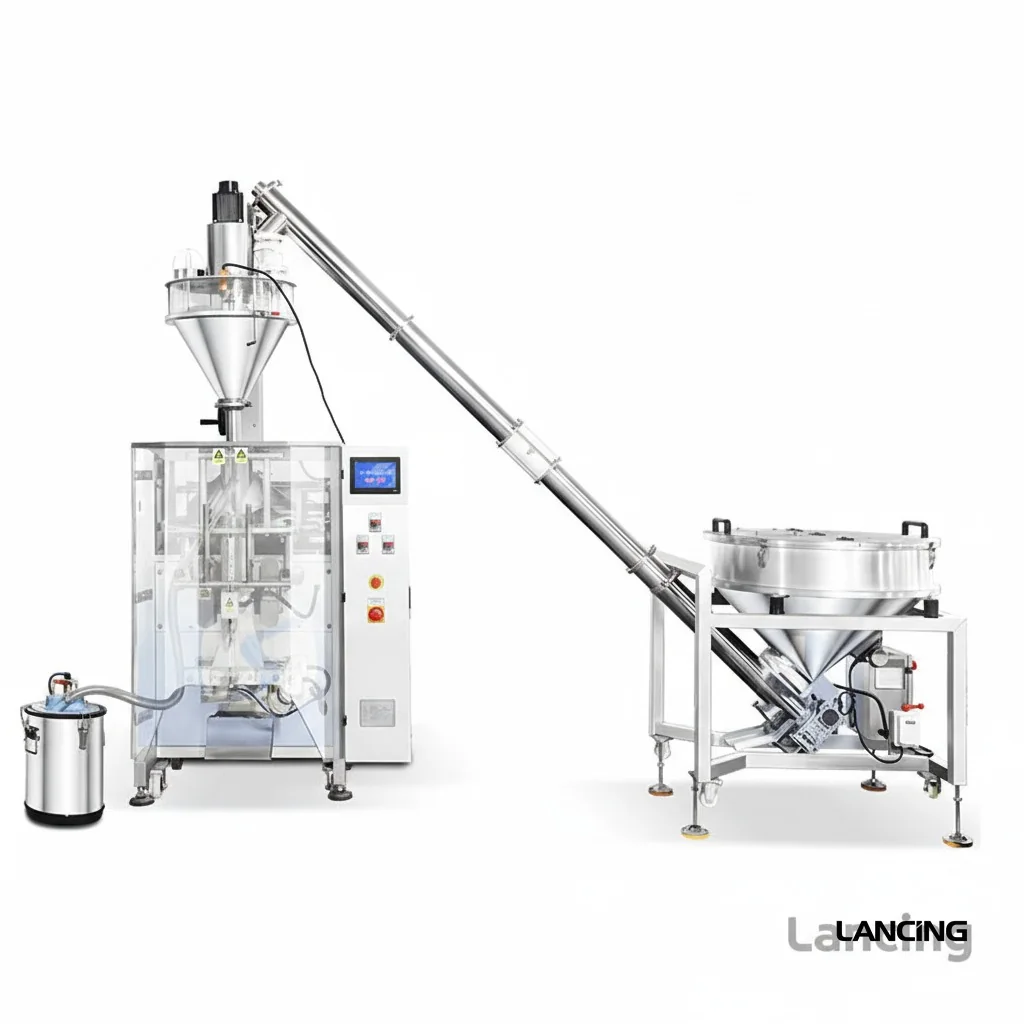
For automatic bagging lines that form, fill and seal from roll film.
View route →| Decision | Why it matters | Useful detail to send |
|---|---|---|
| Product behaviour | Flow, dust, fragility, bulk density and particle size decide whether weighing or auger dosing is more practical. | Product name, sample details, dust level and whether it bridges or sticks. |
| Pack format | Pouches, bags, jars, tubs and boxes need different presentation, discharge height and finishing equipment. | Pack dimensions, opening size, closure or seal method. |
| Output target | The required packs per minute determines automation level, product feed and downstream integration. | Current speed, desired speed and target operator involvement. |
Short answers for buyers comparing filling routes before requesting a machine recommendation.
It uses controlled vibration to feed product into a weigh system before discharging the target dose into a pack.
Free-flowing dry products such as seeds, rice, pellets, granules and small parts are common candidates.
Fine powders may not suit open vibratory feeding and are often compared with auger dosing instead.
That gives Lancing enough information to compare a linear weigher, multihead weigher, auger filler or integrated bagging line.
A vibratory weigh filler is not selected by fill weight alone. Feeder width and surface, vibration control, product head, weigh-hopper capacity, in-flight material and discharge geometry determine how reliably the machine approaches target.
The high-rate stage supplies most of the dose. It must be fast enough for output without creating excessive carry-over when the control changes to trim feed.
The final stage reduces flow near target. An unstable trickle, product sticking or vibration from the frame can widen the weight distribution.
Check that the gate, chute and pack do not retain product, shock the weighing system or leave material that affects the next tare.
Use a multihead comparison when irregular pieces and higher throughput require combination weighing. Use an auger comparison when powder does not feed predictably by vibration. Use the VFFS specialist route when film forming and sealing are the dominant part of the line.
The feeder controls product flow; the weighing system measures the accumulating dose and decides when bulk and fine feed should stop before discharge.
Particles already travelling on the feeder continue into the weigh hopper. This in-flight material must be allowed for in the stop point and fine-feed setting.
Cohesive, highly aerated, very dusty, static-prone or bridging products may feed unpredictably and should be compared with another dosing route.
Define a normal operating band and, where appropriate, use low-level sensing and an upstream feeder so head pressure and product availability remain consistent.
Keep the weighing path free from contact and build-up, inspect feeders and fasteners, verify zero and reference weights, and investigate changes in vibration or load-cell response.
Two supplied Lancing specifications show the range of semi-automatic vibratory routes, but neither replaces a trial using the intended product, target weight and pack.
| Item | Lancing LU-3000C | Lancing LU-DL5000D | Acceptance condition |
|---|---|---|---|
| Weighing arrangement | Compact vibratory feed with electronic weight control and foot-pedal discharge to an operator-held pouch. | Two vibratory feed and weighing channels, two hoppers and a common discharge for manually presented pouches. | Confirm feed stability, complete discharge and the real pack interface. |
| Published or nominal range | 20–3000 g. | 100–10,000 g. | Run the smallest, normal and largest required targets; a published range does not guarantee one-cycle volume or tolerance. |
| Output reference | Approximately 6–15 fills/minute in the supplied quotation. | Approximately 20–30 bags/minute in the supplied specification. | State product, target, accuracy setting, hopper level, pouch handling and whether the result is filler cycles or accepted finished packs. |
| Accuracy reference | Achievable tolerance to be confirmed by trial. | Supplier reference approximately 2–6 g. | Report consecutive net weights, mean, standard deviation, minimum, maximum and under-target or reject count. |
| Hopper and machine basis | Final hopper, outlet and installation details confirmed for the project. | Two approximately 25 L hoppers; approximately 460 W; reference machine size approximately 720 × 700 × 1370 mm. | Check bulk volume, refill method, floor space, operator access, discharge height and utilities against the final build. |
Record feeder amplitude, product depth and the point where the controller changes to fine feed. Overshoot can come from product already moving after vibration reduces or stops.
Very low vibration can stall an irregular product, while excessive trim flow can widen the distribution. Test normal fines, moisture and batch variation rather than an ideal sample.
Observe gate opening, retained pieces, static, bounce and loss around the pack mouth. A narrower outlet or removable chute may be needed, but final geometry should follow sample testing.
Free-flowing, non-sticky grains, seeds, crystals, small granules and similar solids are the stated basis for the LU-DL5000D reference. Cohesive, oily, highly aerated or bridging powder may need a different dosing principle.
A standard machine specification must not be treated as approval for combustible or hazardous dust. DSEAR, ATEX and occupational-hygiene requirements need a separate project assessment before the machine and dust-control arrangement are finalised.
No. The approximately 2–6 g figure is a supplier reference. Final tolerance must be established from representative product trials, calibration, target weight, settings and pack handling.
No. Two channels can prepare doses more quickly, but the common discharge, operator presentation, pouch transfer, sealing and refill method can limit finished-pack output.
Weight range alone is not enough. The bulk volume, weigh chamber, hopper, outlet and pouch opening must accommodate the dose; a supplied LU-3000C project therefore made the 2 kg format subject to a product and pouch trial.
Where the product creates combustible, hazardous or occupationally significant dust, the process needs a separate risk and extraction assessment. A standard weigh-filler specification should not be assumed suitable.