
Machine route
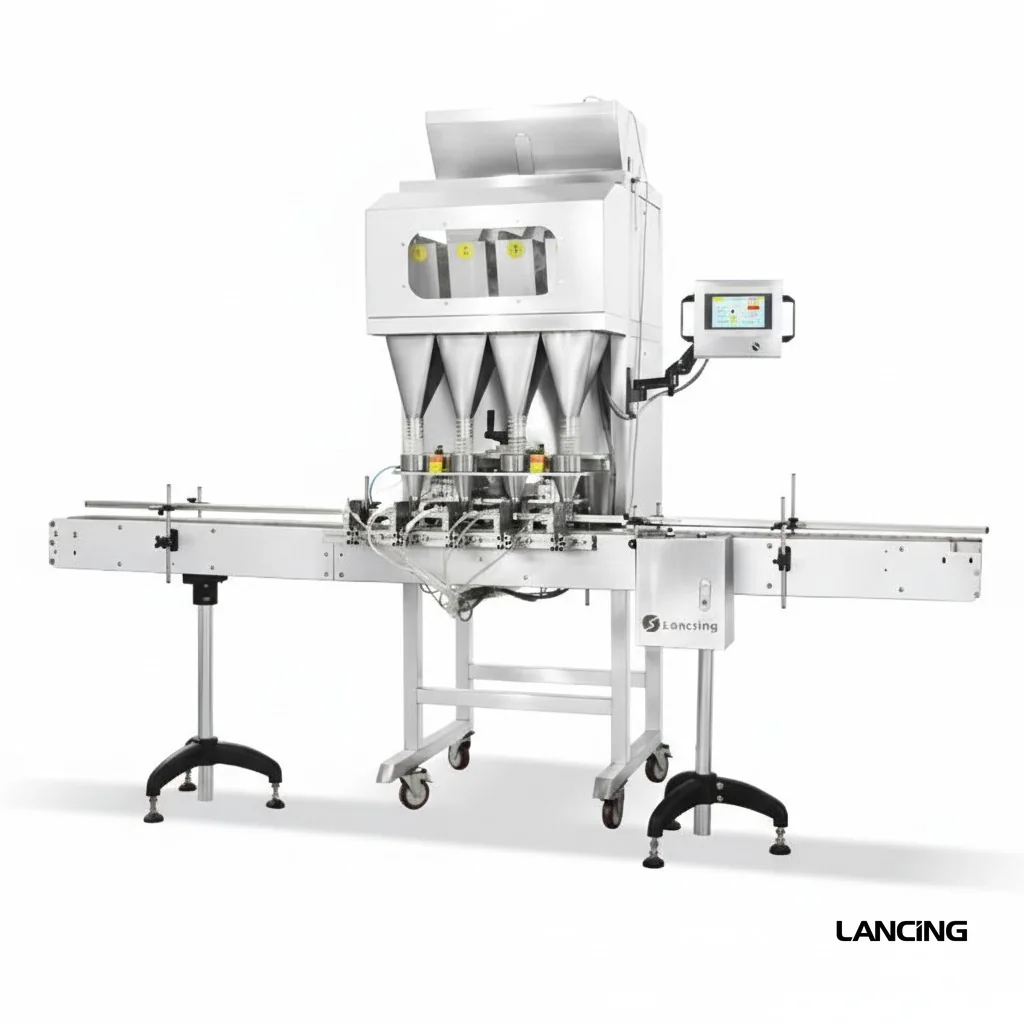
Linear weigh fillers
For free-flowing granules, beans, seeds, snacks and small components.
View route →Start with the finished pack when the container or pouch format is the main reason the machine route is uncertain.
Start with your product and finished pack. Lancing compares product behaviour, target weight, pack handling and output so the machine shortlist is practical from the start.
A good recommendation balances product behaviour, target fill weight, pack handling, closure or seal method, throughput and how much operator involvement is acceptable.
Use these options to narrow down the right machine for your product, pack and production target.
For free-flowing granules, beans, seeds, snacks and small components.
View route →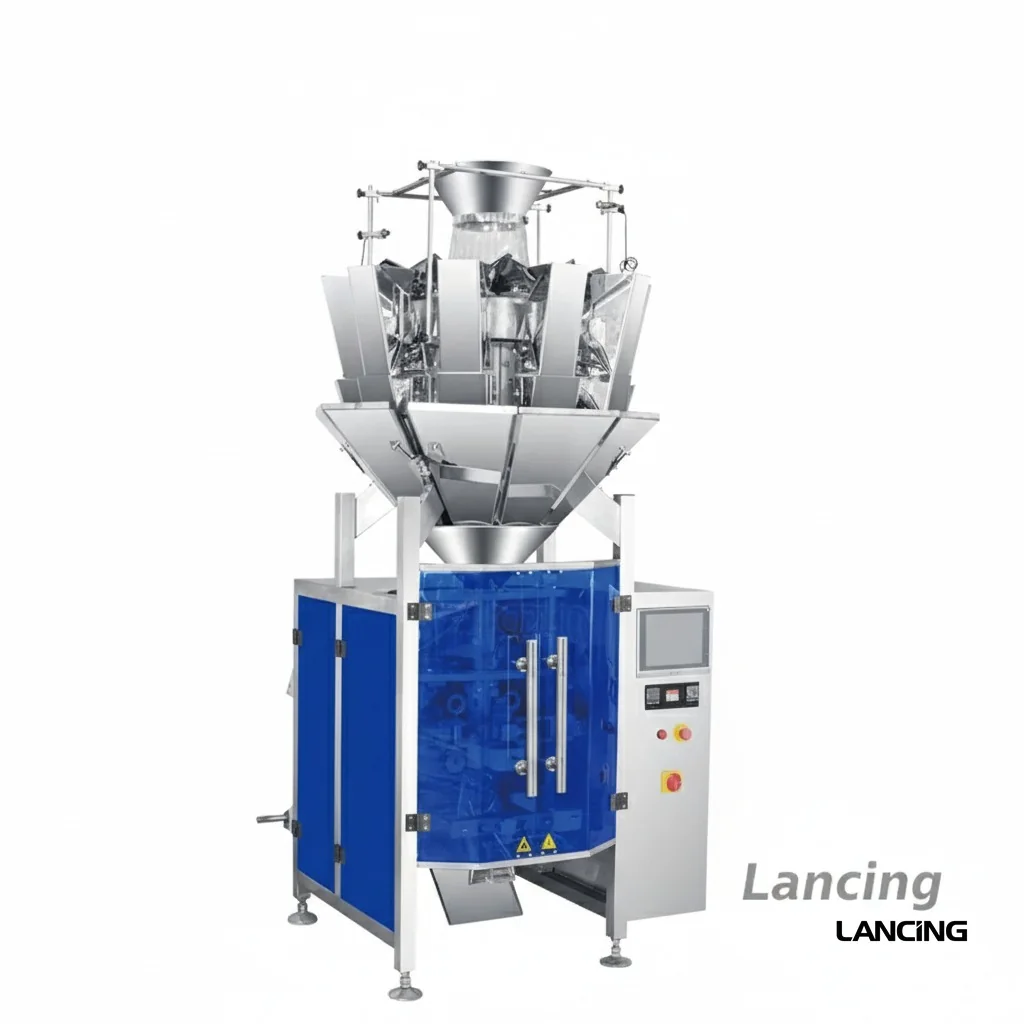
For higher-throughput portioning where speed, accuracy and pack presentation matter.
View route →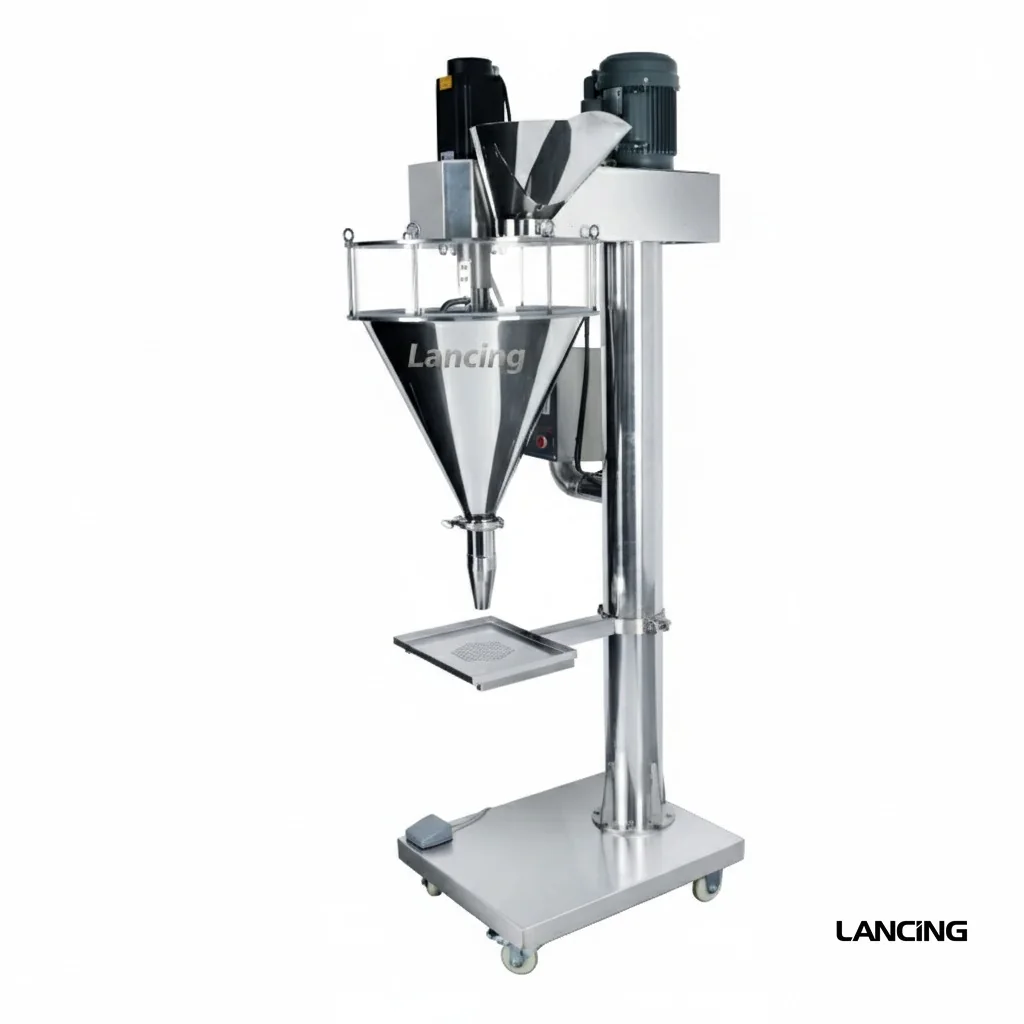
For powders, dry blends and products that need controlled screw dosing.
View route →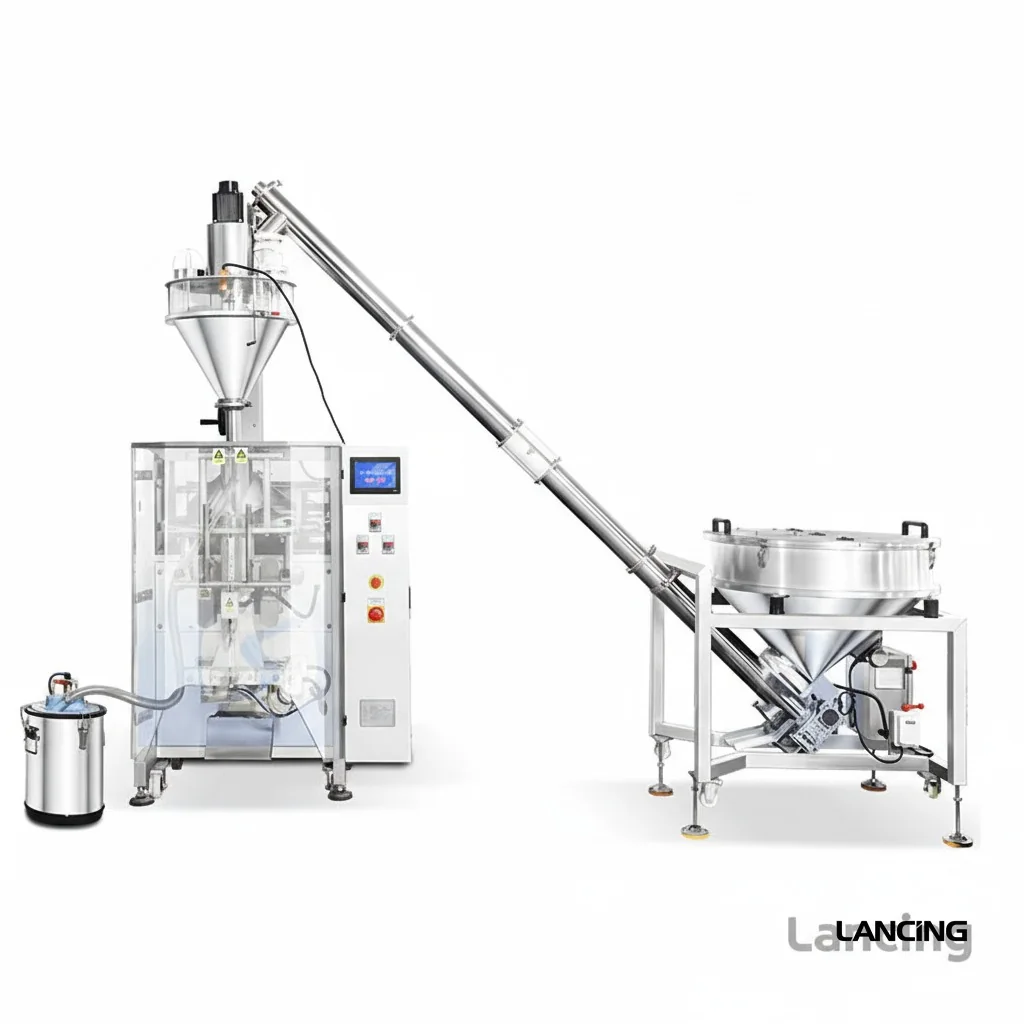
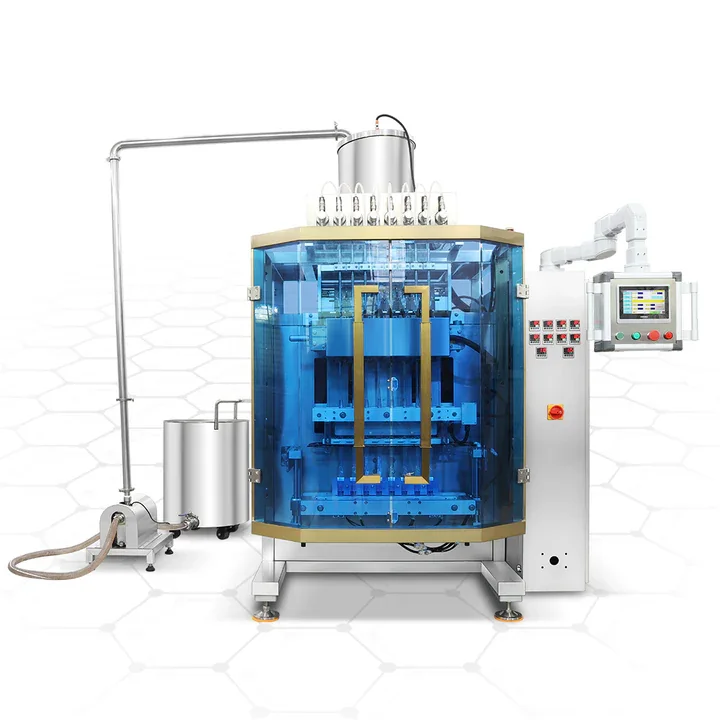
For roll-film bagging lines that form, fill and seal in one connected process.
View route →| Factor | Why it matters | Useful enquiry detail |
|---|---|---|
| Product behaviour | Determines whether weighing, auger dosing or hybrid feeding is suitable. | Flowability, dust, particle size, fragility, density and product sample availability. |
| Target fill | Changes hopper size, dosing principle, accuracy expectation and output. | Minimum and maximum fill weights plus acceptable tolerance. |
| Pack format | Controls discharge height, filling mouth, closure, sealing and downstream equipment. | Pouch, bag, jar, tub, bottle, box or existing machine interface. |
| Automation level | Defines operator workflow, speed, footprint and integration requirements. | Semi-automatic, compact automatic, full line or staged upgrade route. |
Straight answers to help you choose the right filling route before requesting advice.
Start with both together. Pack shape, closure, seal style and discharge method can change the practical filler route.
Yes. Weigh filling can be supplied as a standalone station or considered as part of a wider line with closing, sealing, labelling and coding.
Send dimensions, material, fill opening, closure or seal style, target weight, output and any existing machine connection points.
Use these pages to compare product and pack-specific filling options.
That gives Lancing enough information to compare a linear weigher, multihead weigher, auger filler or integrated bagging line.
Pack format changes the required support, product drop, timing and downstream inspection. Specify the finished pack, not only the fill weight.
| Pack format | Presentation and support | Weight-control considerations | Downstream scope |
|---|---|---|---|
| Open pouch or small bag | Operator hold, pouch support, foot-pedal discharge or an automatic pouch clamp. | Prevent product loss between the discharge chute and pack; confirm tare method and operator cycle. | Heat sealing, coding, seal cleaning and optional checkweighing. |
| Open-mouth bag | Bag clamp, height adjustment and stable support for the planned bag dimensions and filled weight. | Fast/coarse and slow/fine feed, in-flight product allowance and stable release at target. | Bag release, conveyor, sewing or heat sealing, flattening and weight verification. |
| Jar, tub or bottle | Repeatable centring below the chute, sufficient opening and stable container support. | Product bounce, dust, headspace, settling and clean cut-off affect both net weight and presentation. | Capping or lidding, induction sealing, coding, labelling and checkweighing. |
| VFFS bag | Timed discharge into a bag being formed from roll film. | Weigher ready/busy logic, discharge timing, drop height and product-in-seal control. | Jaw timing, film tracking, coding, finished-bag conveyor and checkweigher. |
Agree whether the weigher waits for a pack-present signal, whether a missing pack inhibits discharge, how a reject or downstream stop is communicated and what happens to product already in the weigh hopper. For automatic lines, define ready, busy, discharge request, discharge complete, fault, low product, downstream available and emergency-stop interfaces.
A full-line acceptance run should use the intended product and packaging material. Record the net-weight distribution, pack damage, product loss, seal contamination, rejected packs and sustained output at the finished-pack point.
Use Pouch Fillers for premade pouch opening and sealing, and Form Fill & Seal for roll-film VFFS machinery. This site retains ownership of the weighing method, target-weight evidence and interface between the weigher and those packing systems.
The weigher can reach target correctly and still produce an unacceptable pack if the outlet, pouch presentation or downstream transfer loses product or contaminates the seal area.
| Pack route | Filling interface to define | Control and quality checks | Best owner for specialist detail |
|---|---|---|---|
| Operator-held premade pouch | Pouch opening width, gusset, zipper position, fill height, outlet diameter, foot-pedal timing and stable hand position. | Missing-pouch prevention, spillage, operator cycle, seal-area cleanliness and transfer to the sealer. | This site owns the weighing and discharge method; the separate sealer must be tested with the intended laminate. |
| Clamped open-mouth bag | Bag support, clamp position, gross or net weighing basis, dust containment and controlled release after filling. | Bag-present signal, clamp status, filled-bag support, conveyor release and safe handling of the load. | Bag-clamping weigh fillers. |
| Automatic premade pouch | Timed discharge into a pouch that has been fed, opened and positively detected. | Ready/busy handshake, pouch-open confirmation, no-pouch/no-fill logic, seal contamination and reject handling. | Pouch Fillers owns automatic premade-pouch handling. |
| VFFS bag from roll film | Former, bag cross-section, product drop, discharge timing and the clearance above the sealing jaws. | Bagger ready, discharge request, product-in-seal risk, coding, jaw timing and finished-bag inspection. | Form Fill & Seal owns the roll-film bagging machine. |
| Jar or tub | Container support, neck or opening size, settling, fill height and product bounce. | Container-present signal, tare control, indexing, product on the rim and the following lidding or capping operation. | This site owns weigh dosing; the closing equipment is specified as a separate line function. |
A supplied Lancing LU-DL5000D quotation for a 200 g pouch allowed for a provisional reduced-width stainless-steel discharge chute. The final width, length and flow geometry were explicitly left subject to product and pouch samples. That is the correct engineering sequence: the pouch mouth and product trajectory decide the outlet, not an isolated drawing.
The nominal pouch width does not show the usable mouth after zipper, gusset, seal margin and the way an operator or machine holds it. Product size and trajectory also affect the outlet geometry.
Sometimes, using an appropriately designed removable outlet or chute. Suitability must be confirmed from the product, target volume, pouch opening and required clearance rather than assumed from weight range alone.
Yes when finished sealed packs define acceptance. The trial should show product loss during transfer, seal-area contamination, laminate settings, code quality and sustained operator or line output.
Use the specialist pouch site when feeding, opening and sealing premade pouches is the primary requirement, and the form-fill-seal site when bags are made from roll film. WeighFillers.co.uk remains the owner of target-weight dosing and the weigher interface.