
Machine route
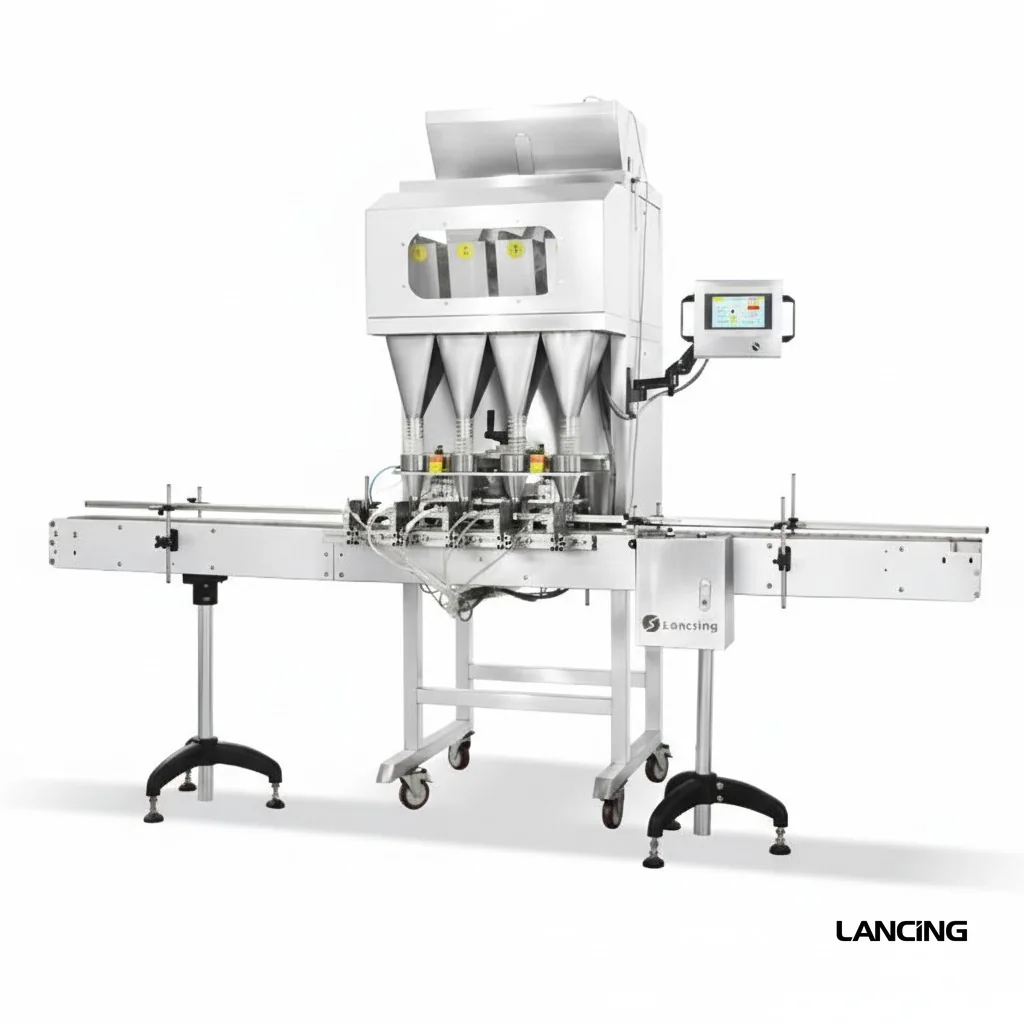
Linear weigh fillers
For free-flowing granules, seeds, beans, rice, pellets and small components.
View route →Compare compact weigh filling routes for low-volume production, trials, small batches and varied dry products.
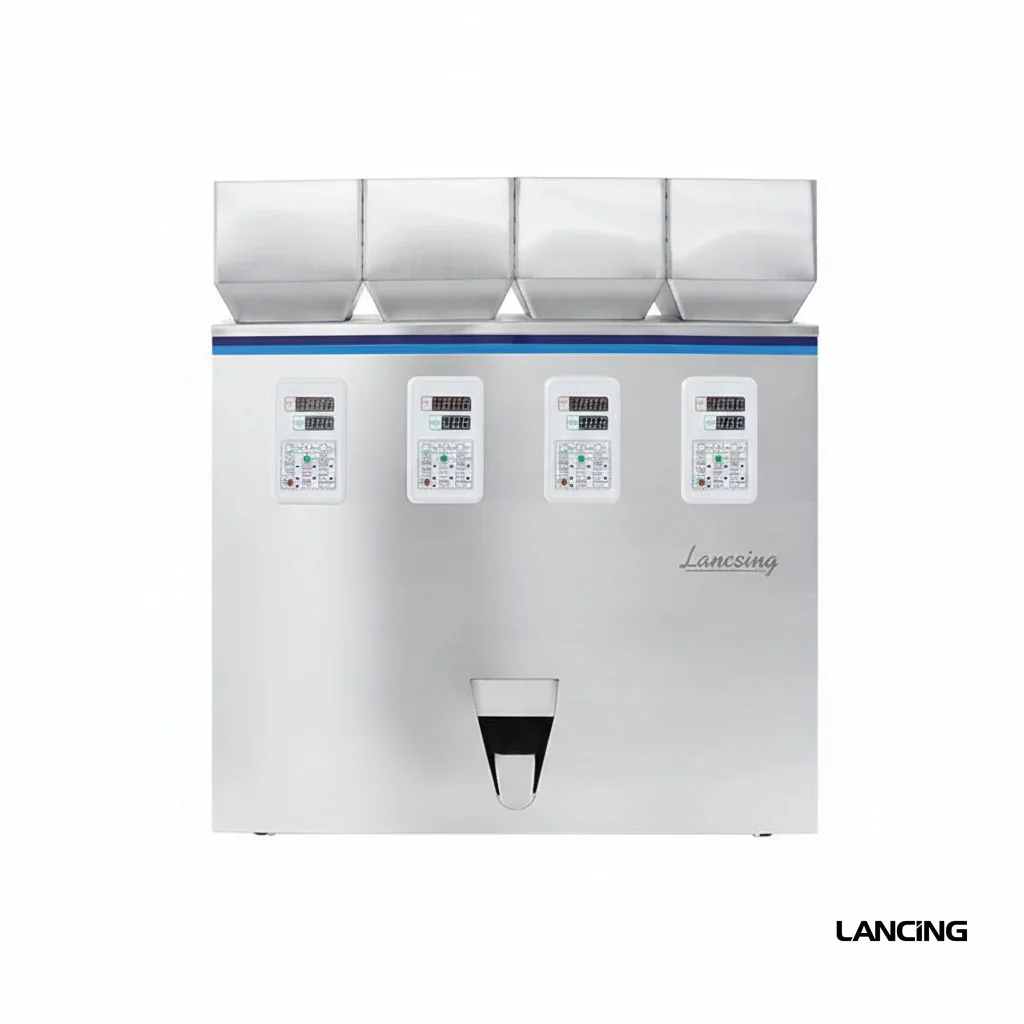
Tabletop and bench weigh fillers for compact filling areas starts with the product behaviour, target fill weight, pack format and the output you need from the line.
This page is written for UK manufacturers, contract packers and production teams comparing practical dry-product filling routes before requesting advice. The aim is to narrow the shortlist before you invest time in a quotation.
Typical products include small batches, lower-volume production, product trials and compact factory spaces. The final route depends on sample behaviour, pack handling, tolerance and how much operator involvement is acceptable.
Most dry-product projects are narrowed down by comparing these four routes against the product and pack.
For free-flowing granules, seeds, beans, rice, pellets and small components.
View route →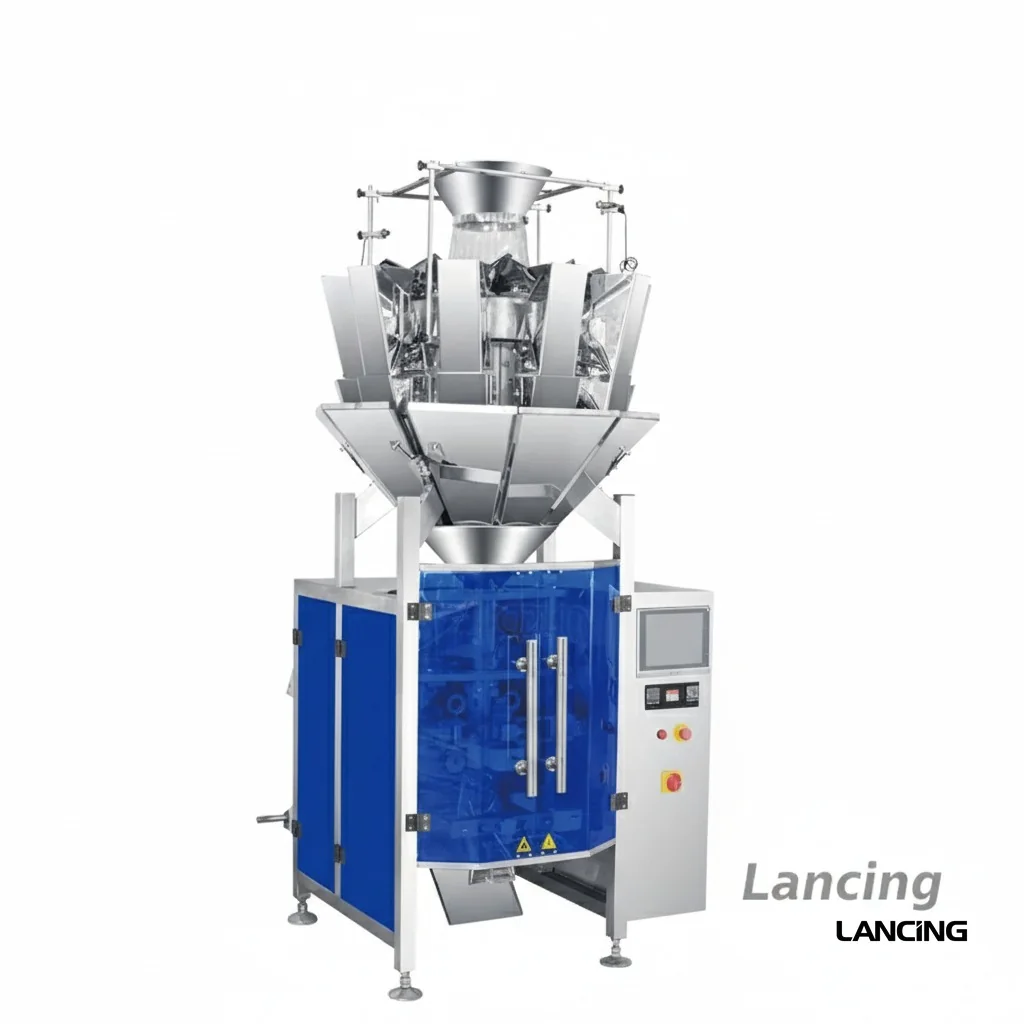
For higher-speed portioning of snacks, pet food, mixed products and irregular pieces.
View route →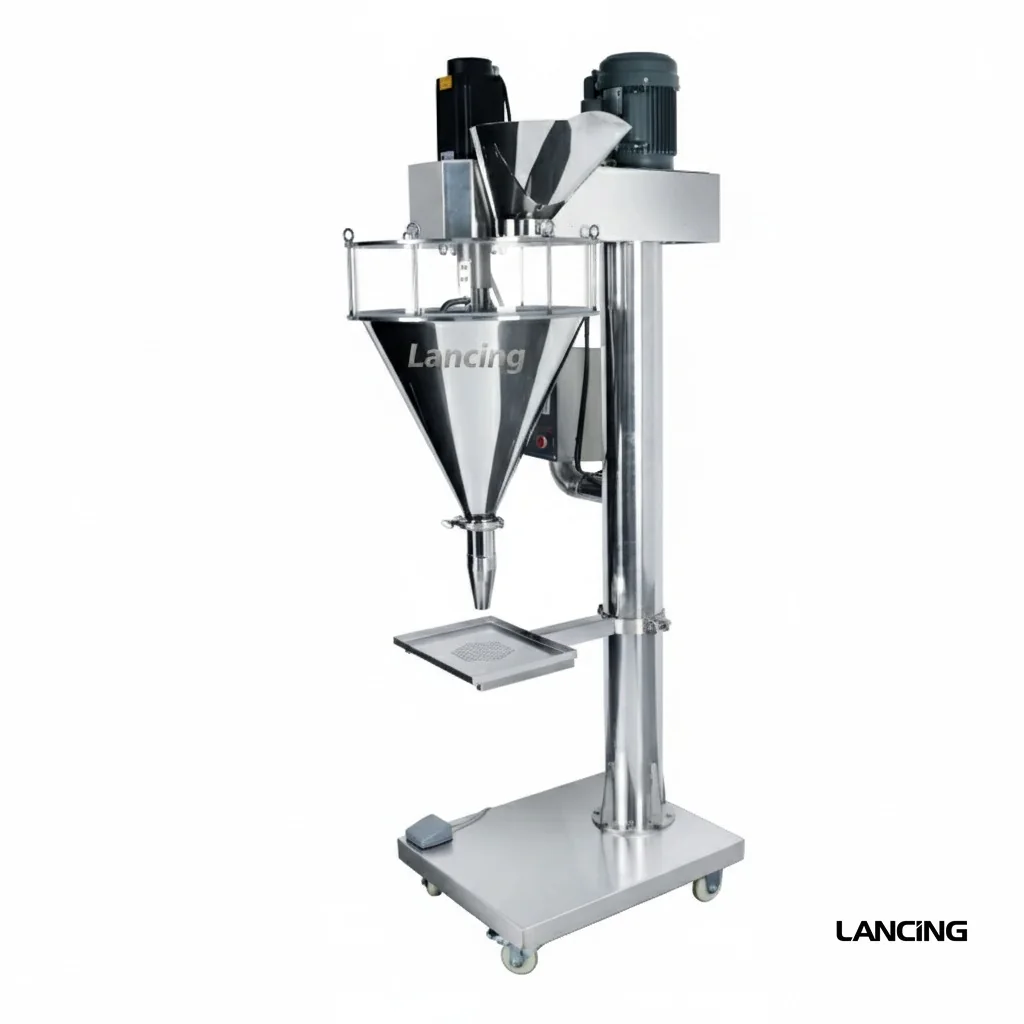
For powders, fine ingredients, dry blends, spices, additives and controlled screw dosing.
View route →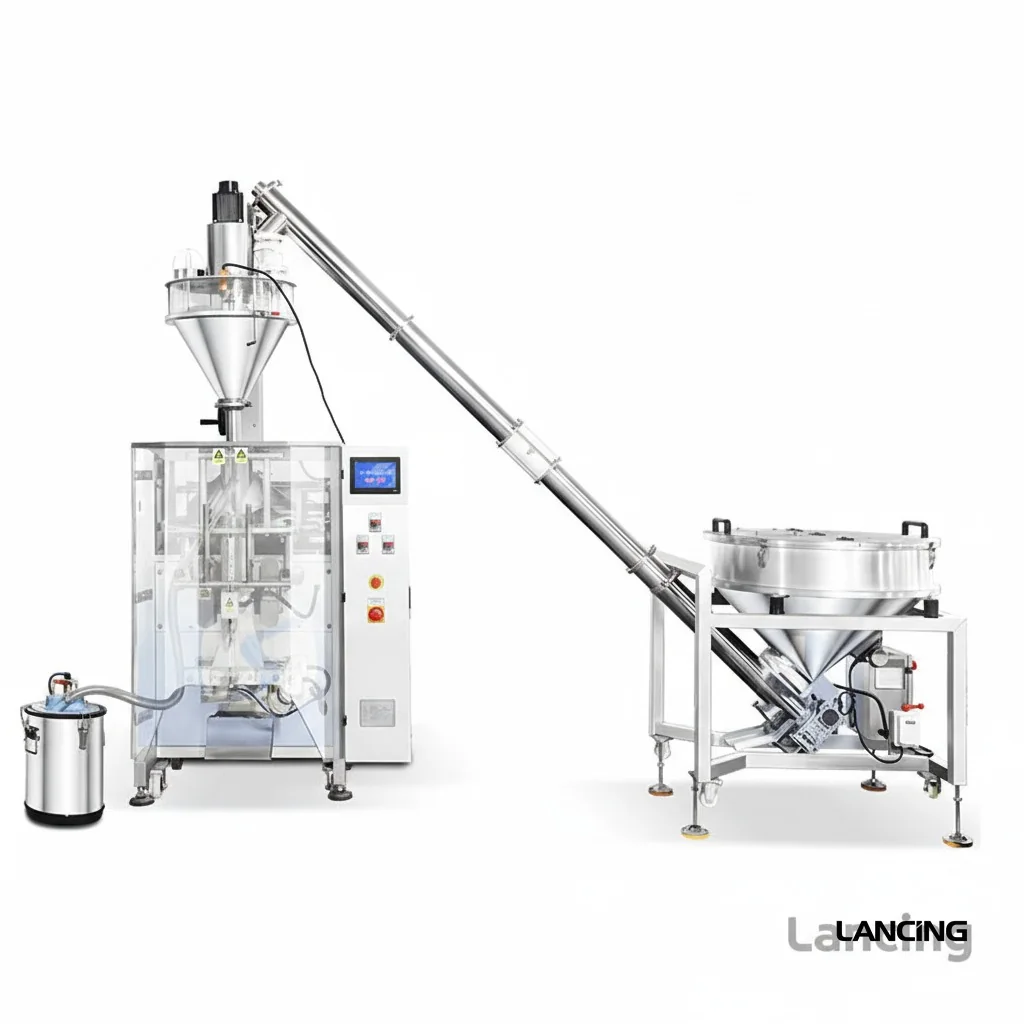
For automatic bagging lines that form, fill and seal from roll film.
View route →| Decision | Why it matters | Useful detail to send |
|---|---|---|
| Product behaviour | Flow, dust, fragility, bulk density and particle size decide whether weighing or auger dosing is more practical. | Product name, sample details, dust level and whether it bridges or sticks. |
| Pack format | Pouches, bags, jars, tubs and boxes need different presentation, discharge height and finishing equipment. | Pack dimensions, opening size, closure or seal method. |
| Output target | The required packs per minute determines automation level, product feed and downstream integration. | Current speed, desired speed and target operator involvement. |
Short answers for buyers comparing filling routes before requesting a machine recommendation.
It is a compact filling route where a smaller weigher doses product into packs, often with operator assistance.
Often yes, if product flow, cleaning and changeover are reviewed.
They can be suitable for low-volume or varied production, but expected output needs to be realistic.
That gives Lancing enough information to compare a linear weigher, multihead weigher, auger filler or integrated bagging line.
The verified LU-999 reference is a compact floor-standing vibratory weighing filler for dry products. It uses an upper hopper, controlled vibration and an electronic weighing system before discharging to a bag, pouch, jar, pot or other suitable operator-presented container.
| Reference range | 10–999 g. |
|---|---|
| Nominal speed reference | 6–15 bags/minute, depending on product, target and container or bag handling. |
| Accuracy reference | Approximately ±2 g, depending on material. |
| Hopper | Approximately 280 × 280 × 270 mm. |
| Power reference | Approximately 260 W; final UK supply configuration to be confirmed. |
| Suitability boundary | Free-flowing granular, powdered and small-piece dry products, subject to samples and trials; not a liquid or paste filler. |
Record both the filler’s dose cycle and the sustained finished-pack output. The latter includes presenting the pack, triggering or permitting discharge, removing the completed pack, replenishing product and dealing with any spill or mis-presentation.
Use consecutive net weights and report mean, standard deviation, minimum, maximum and under-target count. Repeat at the smallest and largest planned dose and at normal low/high hopper levels.
Identify product-contact parts, access to the hopper, feeder and chute, retained-product points, tools required and the zero/reference check after reassembly. Where products differ materially, keep separate approved settings and cleaning records.
A compact floor-standing vibratory weighing filler with a 10–999 g reference range, approximately 280 × 280 × 270 mm hopper, stated 6–15 bags/minute and approximately ±2 g subject to product and handling.
No. The support height, machine mass, hopper loading and operator position must be checked. Some compact units are floor-standing even when they serve operator-presented packs.
Measure a sustained run with normal bag or container presentation, product refill and clearing of completed packs, not only the machine discharge cycle.
Use the documented zero, reference-weight and product-check procedure appropriate to the process. Record deviations and investigate drift before production continues.
Potentially, but flow, cleaning, retained product, target range and separate feeder settings must be validated for each materially different product family.