
Machine route
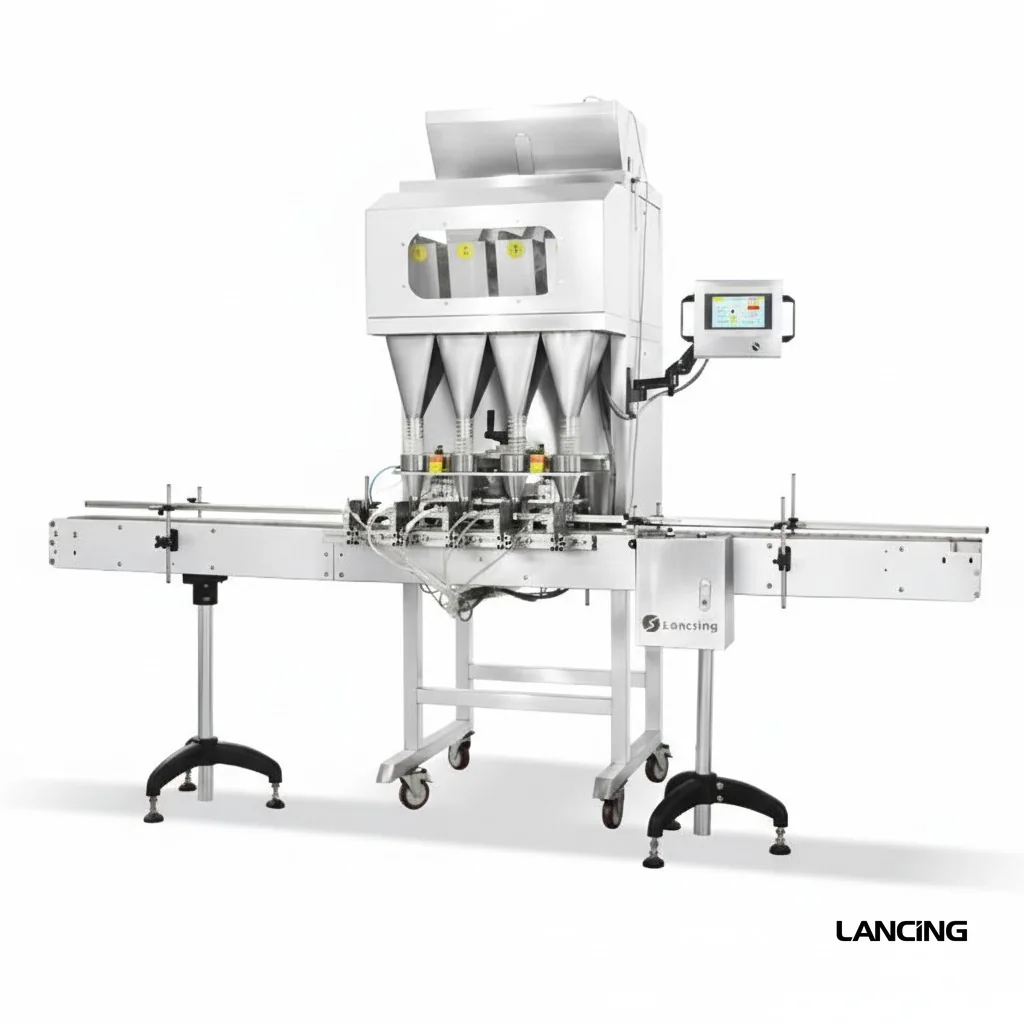
Linear weigh fillers
For free-flowing granules, seeds, beans, rice, pellets and small components.
View route →Plan the practical support items that keep weigh filling equipment reliable after installation.
Weigh filler maintenance and spares planning starts with the product behaviour, target fill weight, pack format and the output you need from the line.
This page is written for UK manufacturers, contract packers and production teams comparing practical dry-product filling routes before requesting advice. The aim is to narrow the shortlist before you invest time in a quotation.
Typical products include production teams planning long-term operation, cleaning, changeover and support. The final route depends on sample behaviour, pack handling, tolerance and how much operator involvement is acceptable.
Most dry-product projects are narrowed down by comparing these four routes against the product and pack.
For free-flowing granules, seeds, beans, rice, pellets and small components.
View route →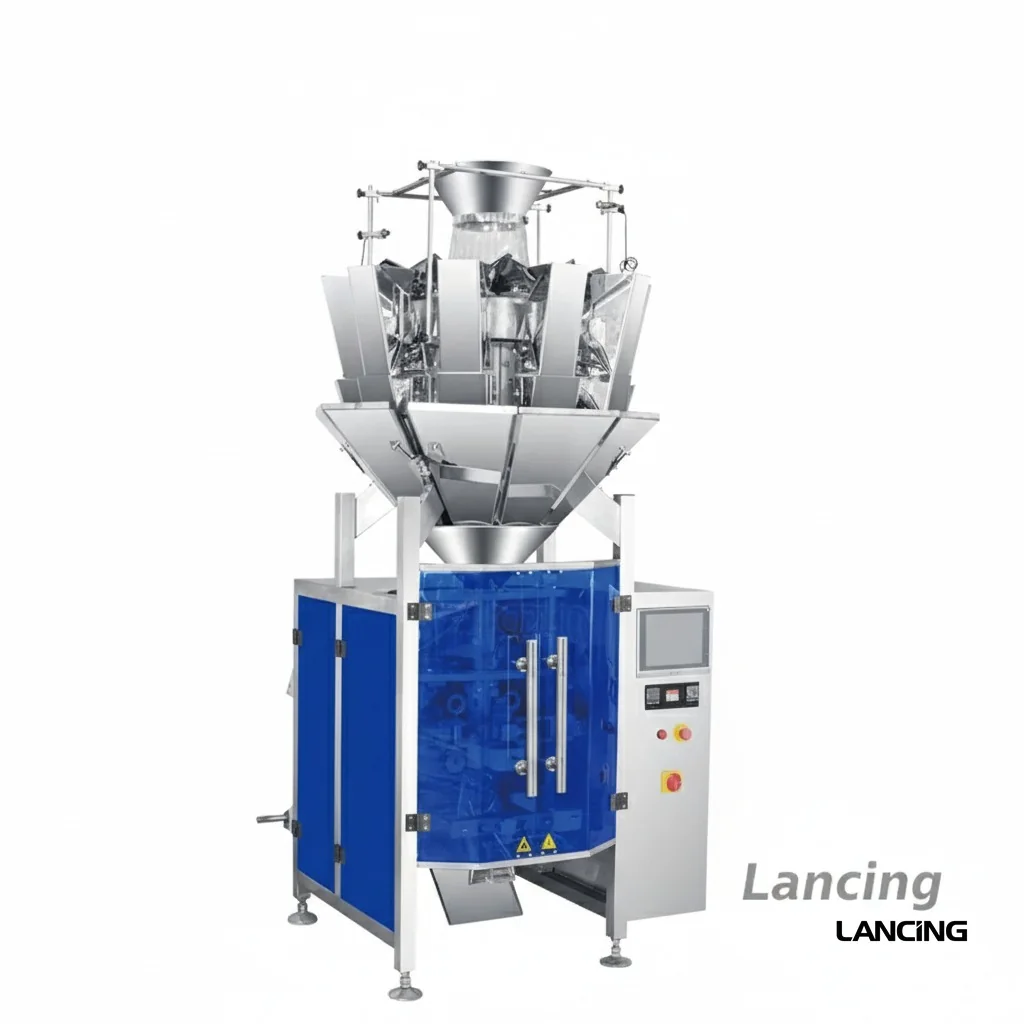
For higher-speed portioning of snacks, pet food, mixed products and irregular pieces.
View route →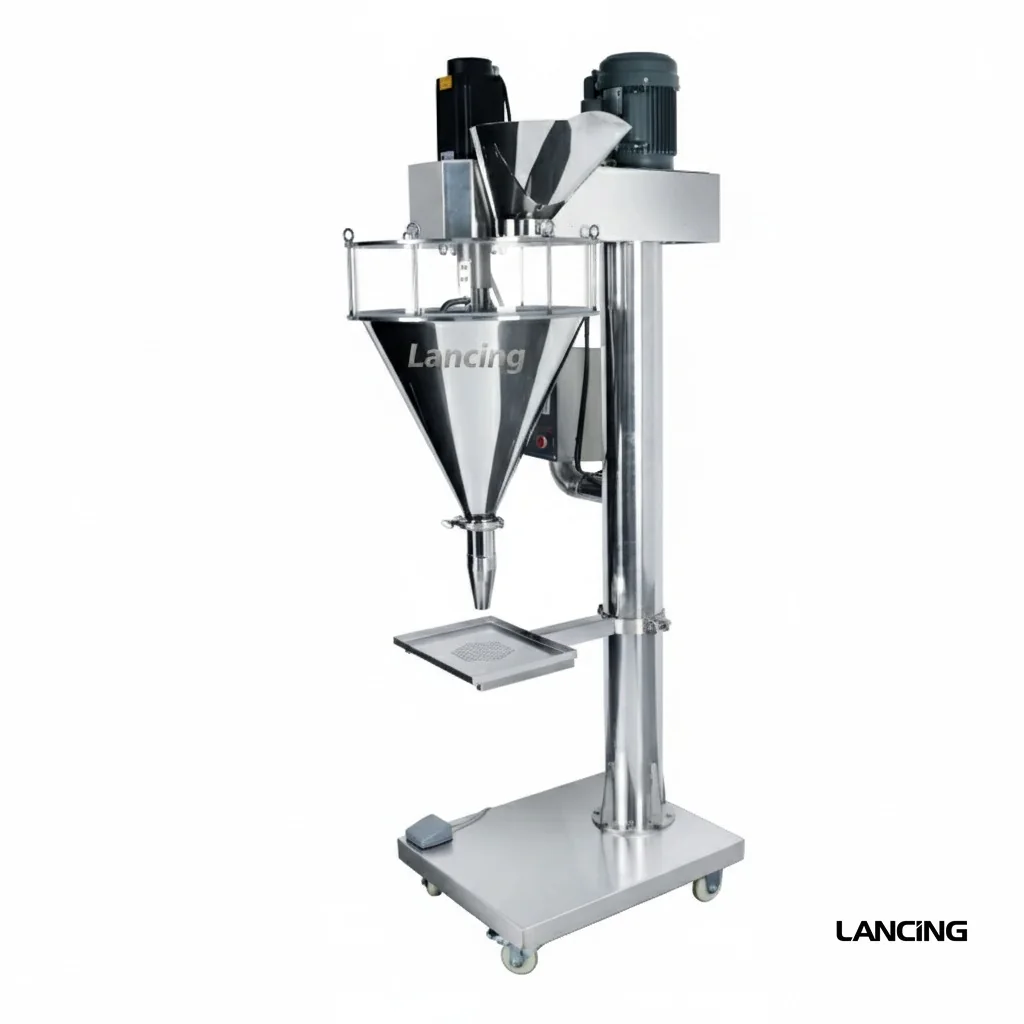
For powders, fine ingredients, dry blends, spices, additives and controlled screw dosing.
View route →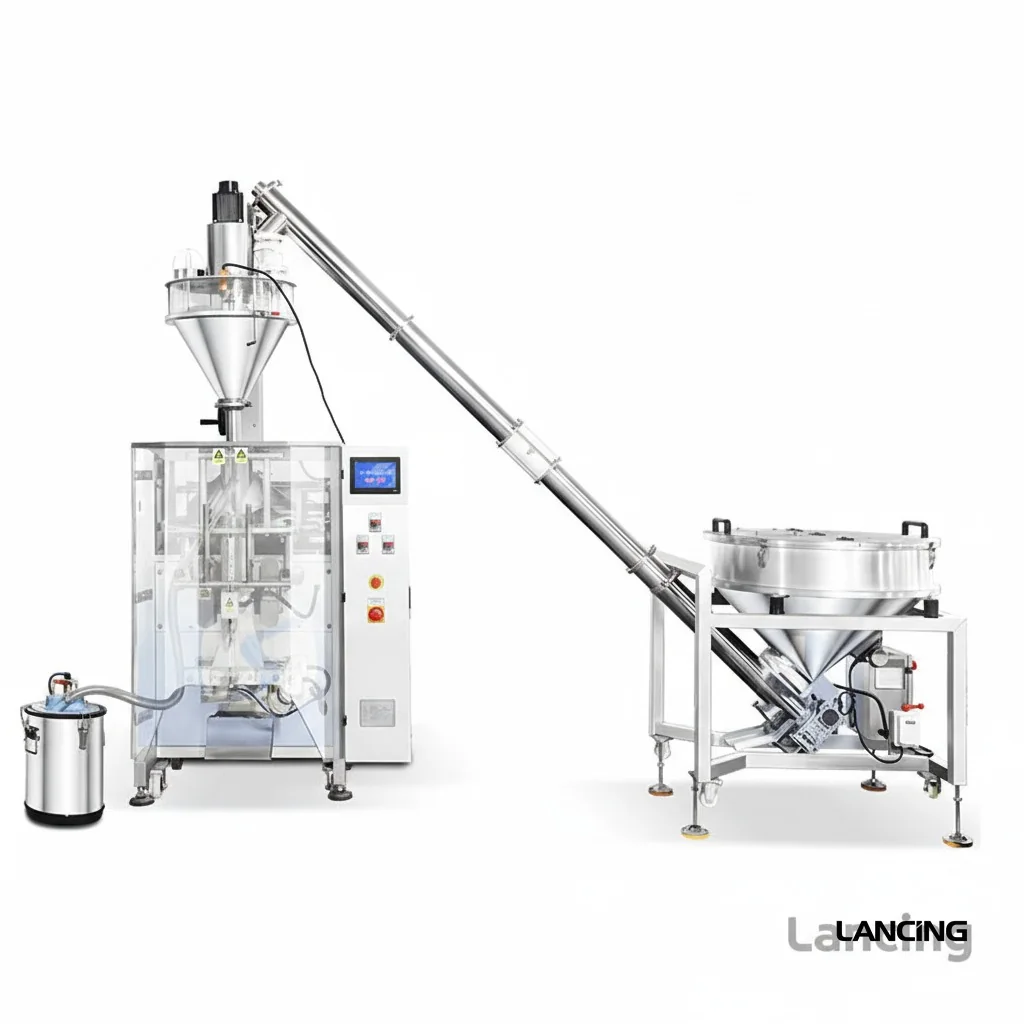
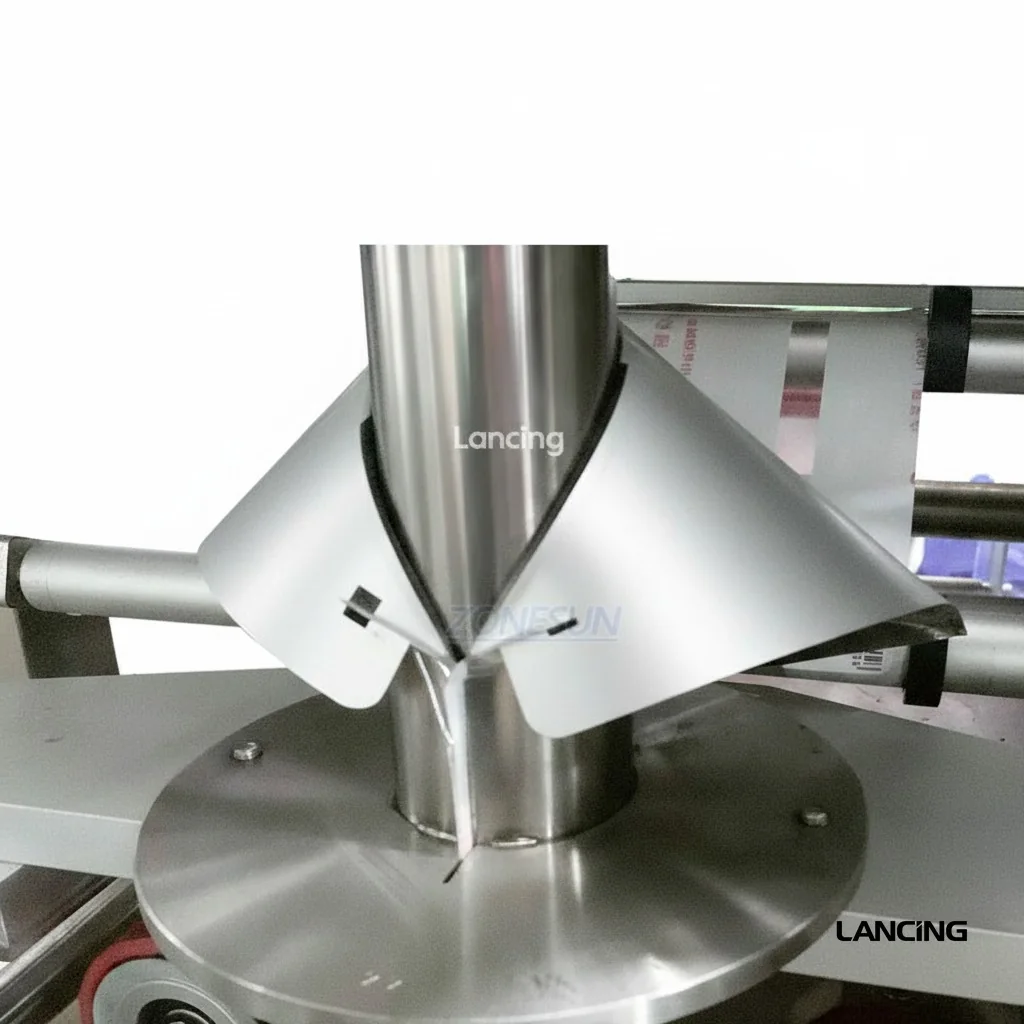
For automatic bagging lines that form, fill and seal from roll film.
View route →| Decision | Why it matters | Useful detail to send |
|---|---|---|
| Product behaviour | Flow, dust, fragility, bulk density and particle size decide whether weighing or auger dosing is more practical. | Product name, sample details, dust level and whether it bridges or sticks. |
| Pack format | Pouches, bags, jars, tubs and boxes need different presentation, discharge height and finishing equipment. | Pack dimensions, opening size, closure or seal method. |
| Output target | The required packs per minute determines automation level, product feed and downstream integration. | Current speed, desired speed and target operator involvement. |
Short answers for buyers comparing filling routes before requesting a machine recommendation.
Useful spares depend on the machine, but may include belts, seals, sensors, buckets, contact parts and consumables.
Inspection frequency depends on usage, product abrasiveness, cleaning regime and production criticality.
Yes. Worn parts, poor cleaning, blocked feeders or damaged weigh components can affect repeatability.
That gives Lancing enough information to compare a linear weigher, multihead weigher, auger filler or integrated bagging line.
Mechanical wear, product build-up, loose fasteners, feeder changes, damaged cables or contact with the weigh hopper can alter performance before an obvious fault appears. Use a recorded baseline and investigate trend changes.
Build the list from the final machine and duty rather than a generic page. Common categories can include feeder or gate components, load-cell or cable protection items, seals, sensors, relays, belts, buckets, chutes, fuses, filters and approved product-contact change parts.
Record part number, installed quantity, recommended stock, storage condition and the verification required after replacement.