
Machine route
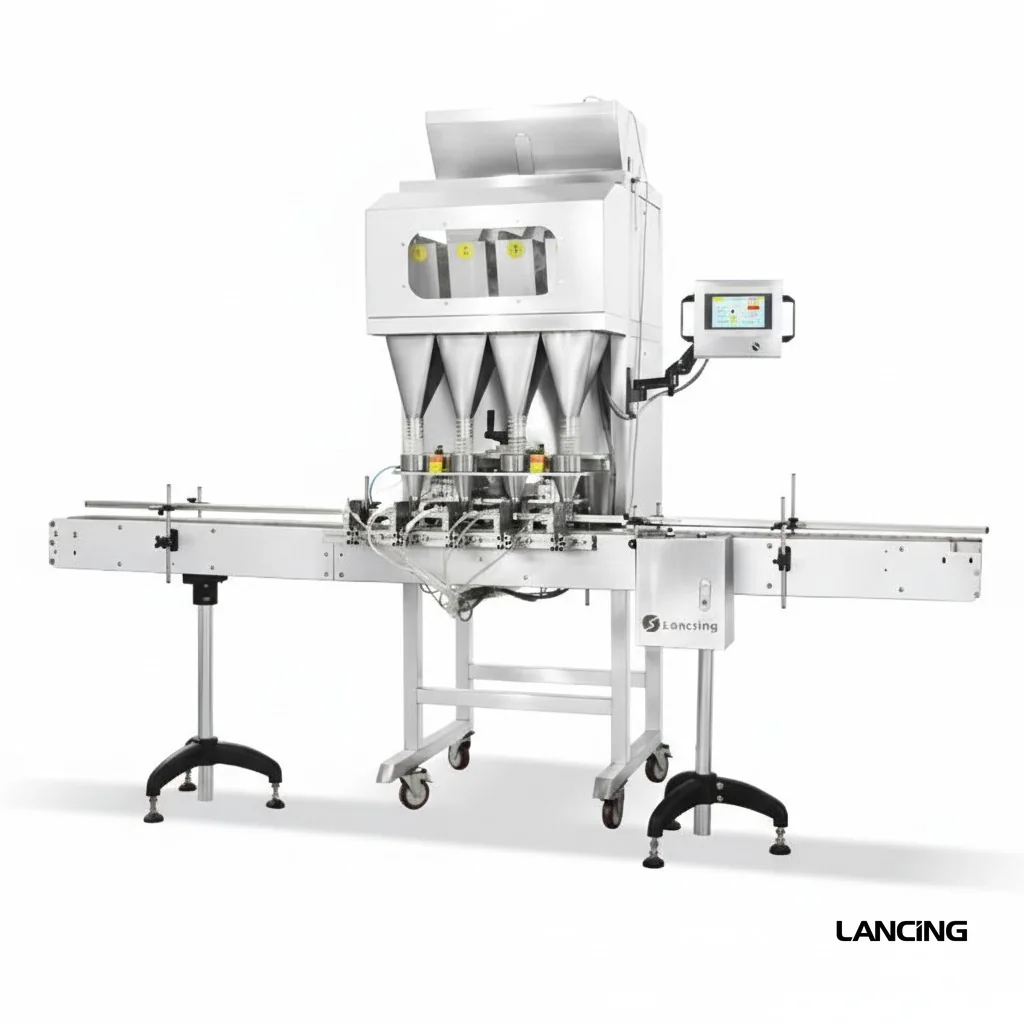
Linear weigh fillers
For free-flowing granules, seeds, beans, rice, pellets and small components.
View route →Compare automation levels before choosing a dry-product filling machine or complete bagging line.
Automatic vs semi-automatic weigh fillers starts with the product behaviour, target fill weight, pack format and the output you need from the line.
This page is written for UK manufacturers, contract packers and production teams comparing practical dry-product filling routes before requesting advice. The aim is to narrow the shortlist before you invest time in a quotation.
Typical products include buyers deciding between operator-assisted filling and automatic packaging lines. The final route depends on sample behaviour, pack handling, tolerance and how much operator involvement is acceptable.
Most dry-product projects are narrowed down by comparing these four routes against the product and pack.
For free-flowing granules, seeds, beans, rice, pellets and small components.
View route →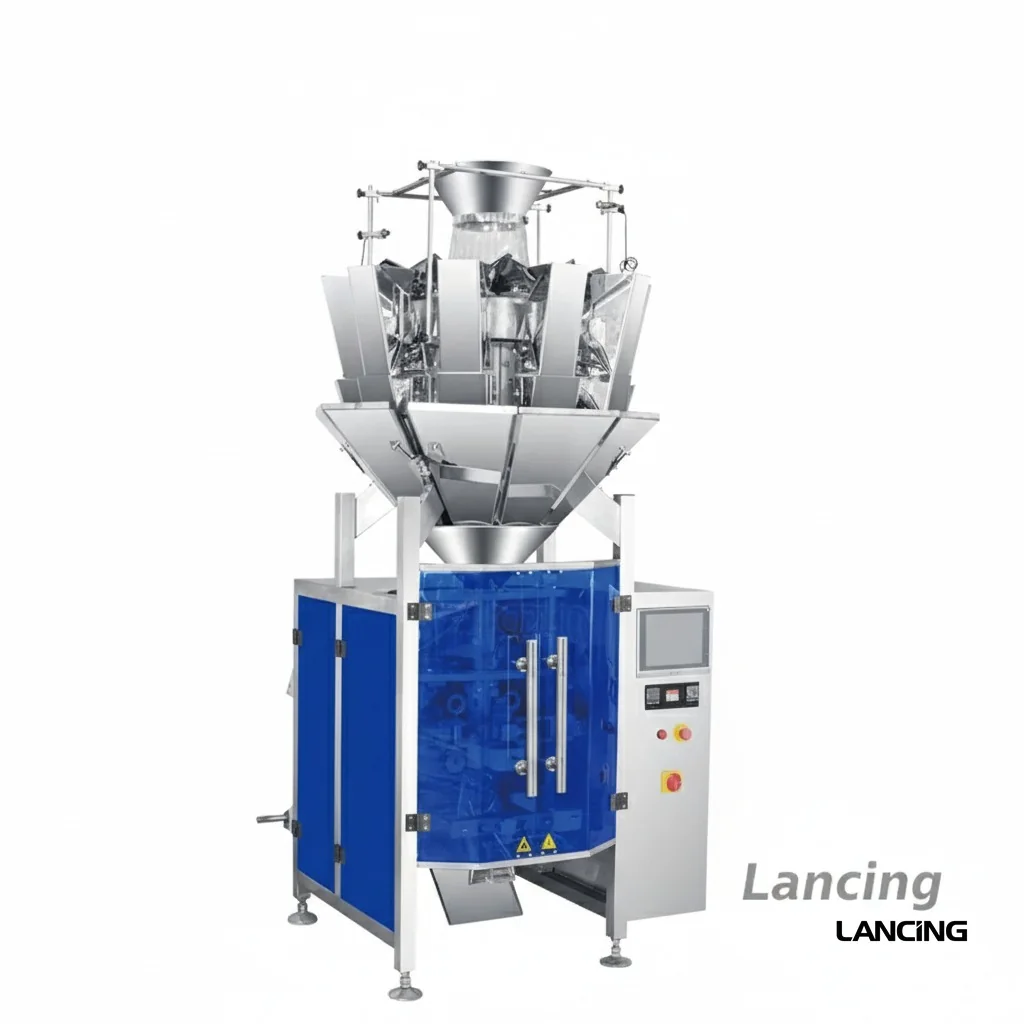
For higher-speed portioning of snacks, pet food, mixed products and irregular pieces.
View route →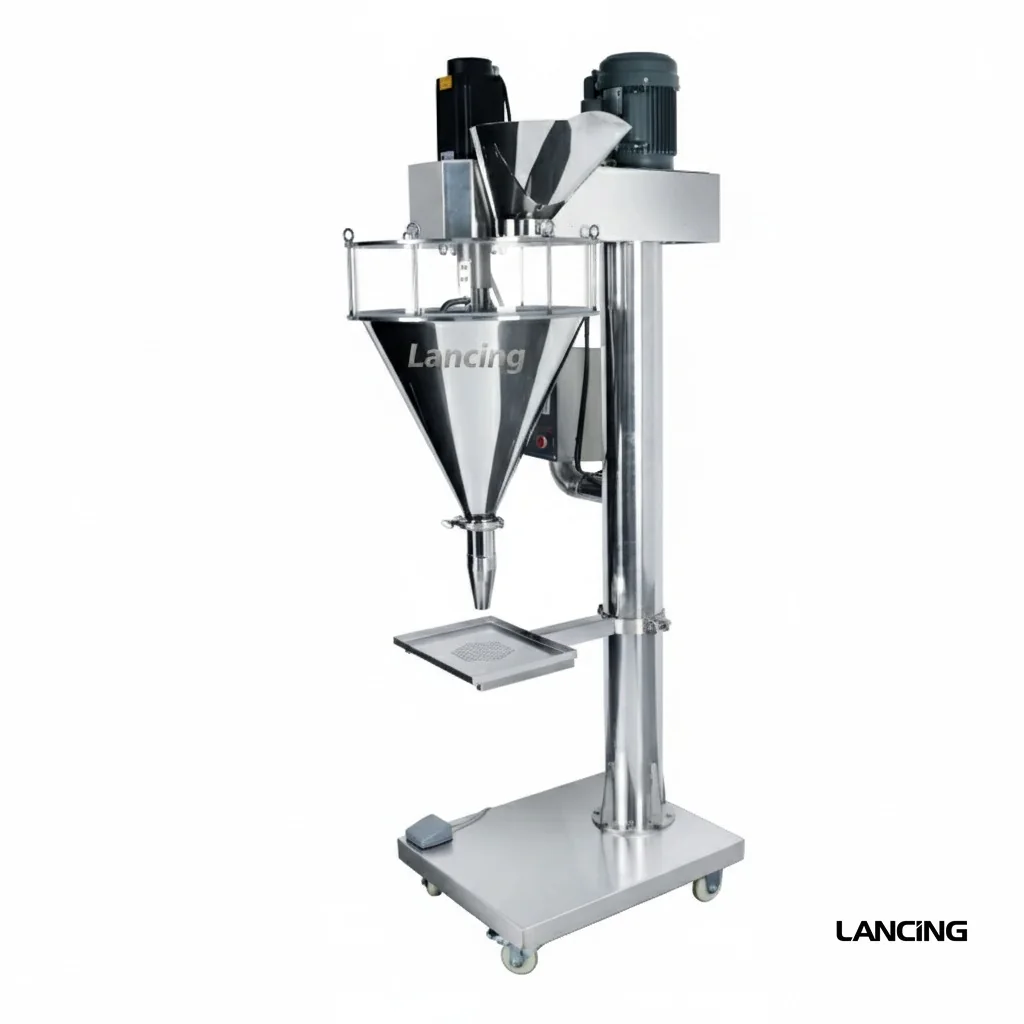
For powders, fine ingredients, dry blends, spices, additives and controlled screw dosing.
View route →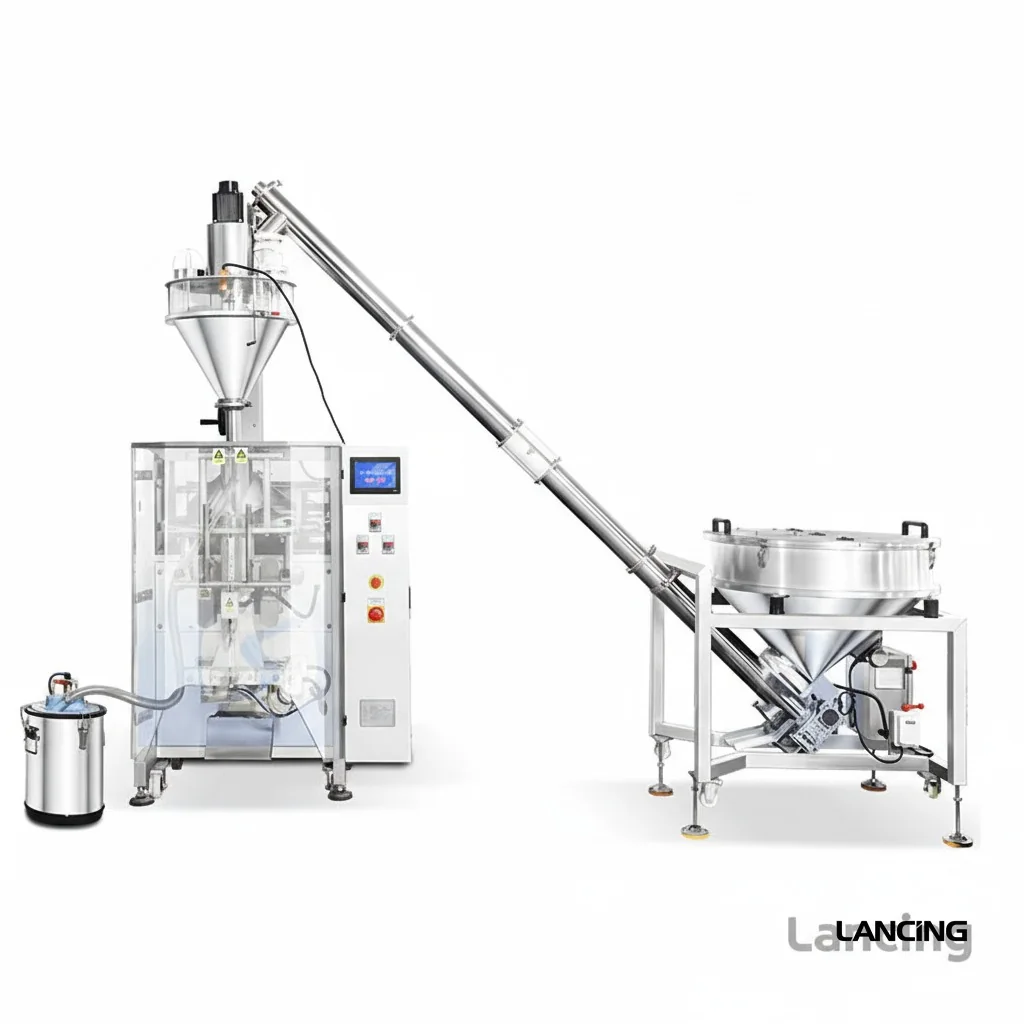
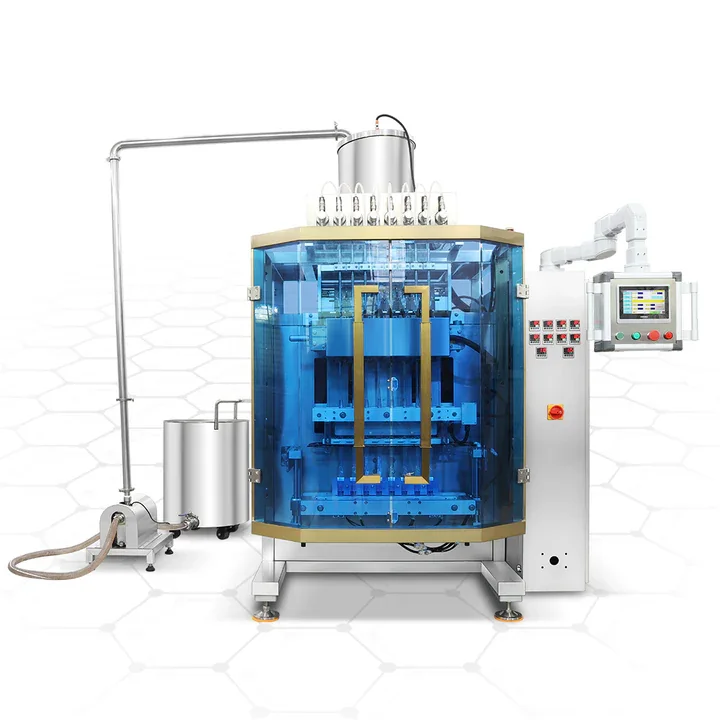
For automatic bagging lines that form, fill and seal from roll film.
View route →| Decision | Why it matters | Useful detail to send |
|---|---|---|
| Product behaviour | Flow, dust, fragility, bulk density and particle size decide whether weighing or auger dosing is more practical. | Product name, sample details, dust level and whether it bridges or sticks. |
| Pack format | Pouches, bags, jars, tubs and boxes need different presentation, discharge height and finishing equipment. | Pack dimensions, opening size, closure or seal method. |
| Output target | The required packs per minute determines automation level, product feed and downstream integration. | Current speed, desired speed and target operator involvement. |
Short answers for buyers comparing filling routes before requesting a machine recommendation.
Choose it when output is lower, products change often, floor space is limited or budget does not justify full automation.
Choose automatic where volume, labour saving, consistency and line integration justify the investment.
Often yes, especially if conveyors, sealing and checkweighing are considered during the first specification.
That gives Lancing enough information to compare a linear weigher, multihead weigher, auger filler or integrated bagging line.
Semi-automatic and automatic routes can use similar weighing principles, but their production risks differ. The correct comparison is accepted finished packs per shift, not the filler cycle in isolation.
| Decision area | Semi-automatic route | Automatic route |
|---|---|---|
| Pack presentation | Operator positions and supports each bag or container. | Conveyor, pouch machine or VFFS system presents the pack and confirms it is ready. |
| Output limit | Operator cycle, ergonomics, refill and pack removal. | Product feed, weigher, bagger, sealing, inspection and downstream accumulation. |
| Flexibility | Often practical for varied packs and shorter runs, subject to changeover. | Best where repeatable packs and sufficient production justify dedicated handling. |
| Quality evidence | Record operator-to-operator and sustained-run variation. | Record control signals, rejects, fault recovery and full-line output. |
| Safety and access | Manual presentation and repetitive tasks need ergonomic and risk review. | Automatic motion, guarding, interlocks and safe recovery need a line-level assessment. |
Review SKU count, batch size, labour availability, expected growth, cleaning frequency, floor space and downstream automation. A semi-automatic filler can be the stronger first step when packs vary; an automatic line can be stronger when repeatable handling and sustained throughput are the priority.
For both routes, use the same weight statistics and product-quality criteria. For semi-automatic operation also record operator actions and fatigue; for automatic operation record line stops, missed packs, rejects and restart behaviour.